AI Reshapes Modern Combat
The Growing Concern Over AI in Military Conflicts
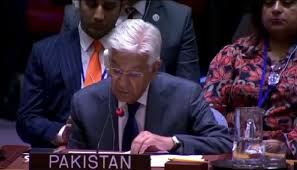
Artificial intelligence (AI) is rapidly transforming various aspects of modern life, including the field of warfare. However, this technological advancement has raised significant concerns among global leaders. Pakistan's Defence Minister, Khawaja Asif, recently voiced his apprehensions during a high-level United Nations debate on AI, warning that the integration of AI into military systems could make future conflicts more dangerous and threaten global peace and stability.
During the discussion, Asif emphasized the need for responsible use of technology under the framework of the UN Charter. He highlighted Pakistan's recent introduction of its first national AI policy as a positive step toward fostering innovation while preventing potential misuse. The policy aims to ensure that AI development aligns with national security interests and international norms.
Asif pointed out that while AI has streamlined decision-making processes, it has also created conditions where future wars may become significantly more perilous. He called for collective global measures to prevent an uncontrolled arms race, urging all nations to work together in addressing the challenges posed by AI in military contexts.
The United Nations Secretary-General, Antonio Guterres, opened the debate by acknowledging AI as a transformative force that influences daily life, information dissemination, and the global economy. He stressed the importance of maintaining human control over critical decisions, particularly those involving life-and-death scenarios such as nuclear and lethal autonomous weapon systems.
Guterres emphasized that innovation should serve humanity rather than undermine it. He called for the establishment of legally binding international regulations on AI in warfare by 2026. This initiative aims to create a framework that ensures AI technologies are used ethically and responsibly, minimizing the risks associated with their deployment in conflict zones.
Asif concluded his remarks by reaffirming Pakistan's commitment to supporting international efforts aimed at balancing technological progress with global peace and security. He reiterated the importance of multilateral cooperation in addressing the complex challenges posed by AI, ensuring that the benefits of technological advancements are harnessed for the greater good.
The discussions at the UN debate underscore the growing recognition of the need for a coordinated approach to managing AI in military applications. As countries continue to develop and deploy AI technologies, it is crucial to establish clear guidelines and regulations that prioritize human safety and ethical considerations.
Experts and policymakers alike agree that the rapid pace of AI development necessitates proactive measures to prevent unintended consequences. This includes investing in research, promoting transparency, and fostering international dialogue to address the ethical, legal, and strategic implications of AI in warfare.
In addition to the concerns raised by Pakistan's Defence Minister and the UN Secretary-General, there is a broader call for increased public awareness and engagement in the discourse surrounding AI. Civil society, academia, and the private sector all have a role to play in shaping the future of AI and ensuring that it serves the interests of humanity.
Ultimately, the challenge lies in striking a balance between harnessing the potential of AI for peaceful purposes and mitigating the risks associated with its military application. By working together, the global community can develop a comprehensive approach that promotes innovation while safeguarding peace and security for future generations.


Comments
Post a Comment