Apple's Crash Detection Aided UTV Accident, But I'd Hesitate to Enable It
The iPhone Crash Detection Feature: A Lifesaver or a Risk?
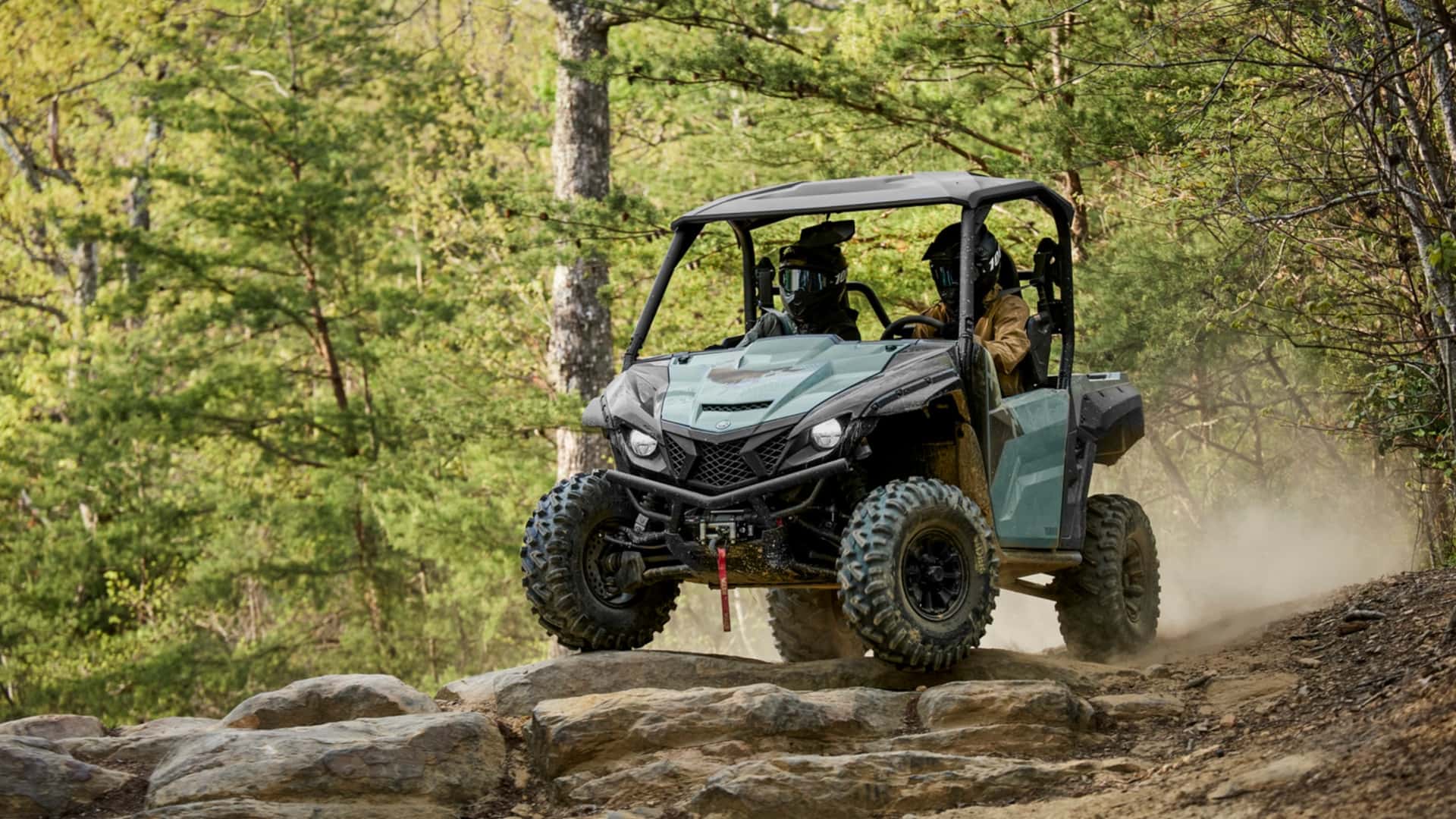
Apple’s iPhone crash detection software has proven to be a valuable tool in certain situations, such as when a UTV driver in Kentucky was involved in an accident. According to local news reports, the Hayes Crossing-Haldeman Fire and Rescue team responded to a UTV crash that occurred off a cliff in Rowan County. While the passengers were unharmed, the rescue operation was significantly aided by the iPhone’s crash detection feature, which alerted emergency services.
The Search and Rescue team later shared a message on social media, emphasizing the importance of keeping crash detection enabled on iPhones and Apple Watches for outdoor activities. They also highlighted Life 360 as another option with similar features, noting that it played a crucial role in locating the two individuals involved in the incident.
For many users, having a reliable safety feature like this is reassuring. However, there are concerns about the effectiveness of the system, especially in rugged environments. As someone who frequently hunts and camps in the Western terrain, I find myself questioning how well the software would perform under such conditions.
Since its launch with the iPhone 14, the crash detection feature has faced several challenges. One major issue is that it sometimes triggers itself during motorcycle rides, which can be more intense than even the average off-road trail. This raises questions about its reliability in more extreme scenarios.
Despite these issues, the feature has been praised in cases where it has successfully saved lives. For instance, in the recent UTV accident, the software contributed to a swift response. However, the software is not without its flaws. It has been known to generate false positives, including instances where snowmobilers and motorcyclists have triggered alerts unintentionally. In Japan, one emergency response network reported over 143 false distress signals linked to the feature.
Reddit is filled with stories of the software failing in critical moments. One such case involved a motorcycle rider who crashed, but neither the iPhone nor the Apple Watch initiated an emergency call. While no system is perfect, Apple has made updates to improve the accuracy of the feature, reducing false positives and enhancing its ability to detect real crashes.
That said, I personally wouldn’t rely solely on the iPhone’s crash detection for my safety, especially when navigating rough terrains. I’ve experienced firsthand how unpredictable the environment can be. During an elk hunt, my iPhone fell from its magnetic mount due to the severe rocky trails, and the impact was so intense that it felt like hitting brick walls.
The risk of triggering an unnecessary SOS call, which could lead to costly consequences, is a concern. Equally troubling is the possibility that the system might fail to alert emergency services when it’s truly needed. That’s why I always recommend carrying a satellite communicator for off-grid adventures.
Ultimately, relying on a device that can break easily and doesn’t function flawlessly every time is a gamble. While the iPhone’s crash detection feature is a step in the right direction, it’s not a substitute for a dedicated, physical SOS beacon.
Alternatives to Consider
For those who venture into areas without cell service, there are other options available. Garmin recently launched a new smartwatch with SOS features that don’t require a phone, offering a more reliable solution for outdoor enthusiasts.
Another reminder is the tragic case of a UTV driver who died after becoming stuck on the salt flats. This highlights the importance of having a satellite communicator, which can provide critical assistance when traditional methods fail.
In conclusion, while Apple’s crash detection software has its merits, it’s essential to understand its limitations. For those who engage in high-risk outdoor activities, investing in a more robust safety solution is a wise decision.


Comments
Post a Comment