China Repurposes Aging J-6 Fighters as Attack Drones
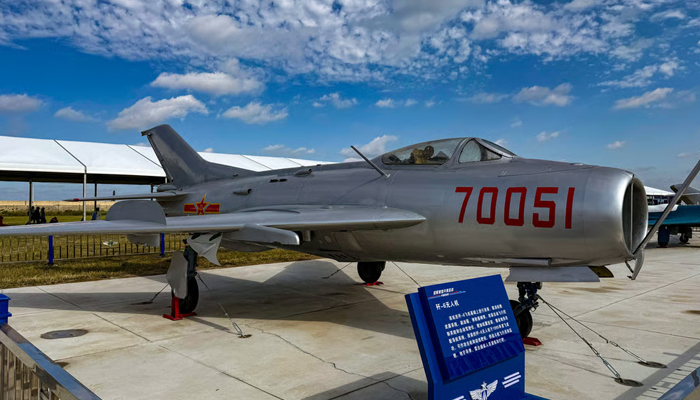
China Repurposes Cold War-Era J-6 Fighters into Unmanned Drones
China has taken a significant step in modernizing its military capabilities by converting its aging J-6 fighter jets into unmanned drones. This innovative move marks a new chapter for the Cold War-era aircraft, which were once a staple of the country's air force.
The transformed drone made its debut at the recent Changchun Air Show, confirming long-standing rumors about China's strategy to rejuvenate its aging fleet. The J-6, originally developed based on the Soviet MiG-19, was produced in large numbers between the 1960s and 1980s. As a second-generation supersonic fighter, it could reach speeds of 1.3 times the speed of sound, with a combat range of 700 kilometers and the capacity to carry up to 250 kg of weaponry.
Now, the People's Liberation Army (PLA) is leveraging these airframes for modern, low-cost drone warfare. According to reports, the drone retains most of the original J-6 structure but eliminates human-related components such as ejection seats, machine guns, and extra fuel tanks. Instead, advanced systems like autopilot, automated flight control, and terrain-matching navigation have been integrated. New weapon stations have also been added to enhance its strike capabilities.
The unmanned J-6 is expected to play a dual role in both strike missions and as live targets for training exercises. Despite its outdated design, experts believe that the simplicity of the drone makes it more challenging to jam or intercept using modern electronic warfare systems. In conflict scenarios, swarms of J-6 drones could overwhelm enemy defenses while preserving China's more advanced aircraft.
Estimates suggest that China may have around 3,000 retired J-6 aircraft stored, providing a substantial inventory for drone conversion. This initiative not only offers economic efficiency but also allows China to expose enemy radar locations, which can then be targeted using anti-radiation missiles or jamming systems. This capability gives China a strategic advantage in modern electronic warfare.
Key Features of the Unmanned J-6
- Retains Original Frame: The drone keeps most of the original J-6 structure, ensuring cost-effective repurposing.
- Advanced Systems: Equipped with autopilot, automated flight control, and terrain-matching navigation for enhanced performance.
- New Weapon Stations: Added to improve strike capabilities and operational flexibility.
- Dual Purpose: Designed for both strike missions and training exercises, making it versatile in different scenarios.
Strategic Implications
The transformation of the J-6 into an unmanned drone highlights China's commitment to innovation and resourcefulness. By repurposing its existing fleet, the PLA is able to maintain a competitive edge without the need for expensive new acquisitions. This approach also aligns with global trends in military technology, where older platforms are being upgraded to meet modern challenges.
Moreover, the use of these drones in swarms could significantly impact future warfare strategies. Their ability to overwhelm enemy defenses while minimizing risk to human pilots makes them a valuable asset in both defensive and offensive operations.
In addition to their tactical benefits, the J-6 drones offer strategic advantages in electronic warfare. By exposing enemy radar locations, they enable more effective targeting of critical infrastructure, enhancing China's overall military capabilities.
Overall, the conversion of the J-6 into unmanned drones represents a smart and forward-thinking approach to military modernization. It underscores China's ability to adapt and innovate, ensuring that even its oldest aircraft can play a vital role in the evolving landscape of modern warfare.


Comments
Post a Comment