China's solar surge powers Africa's future at record speed as costs drop
The Surge in Solar Energy Adoption Across Africa
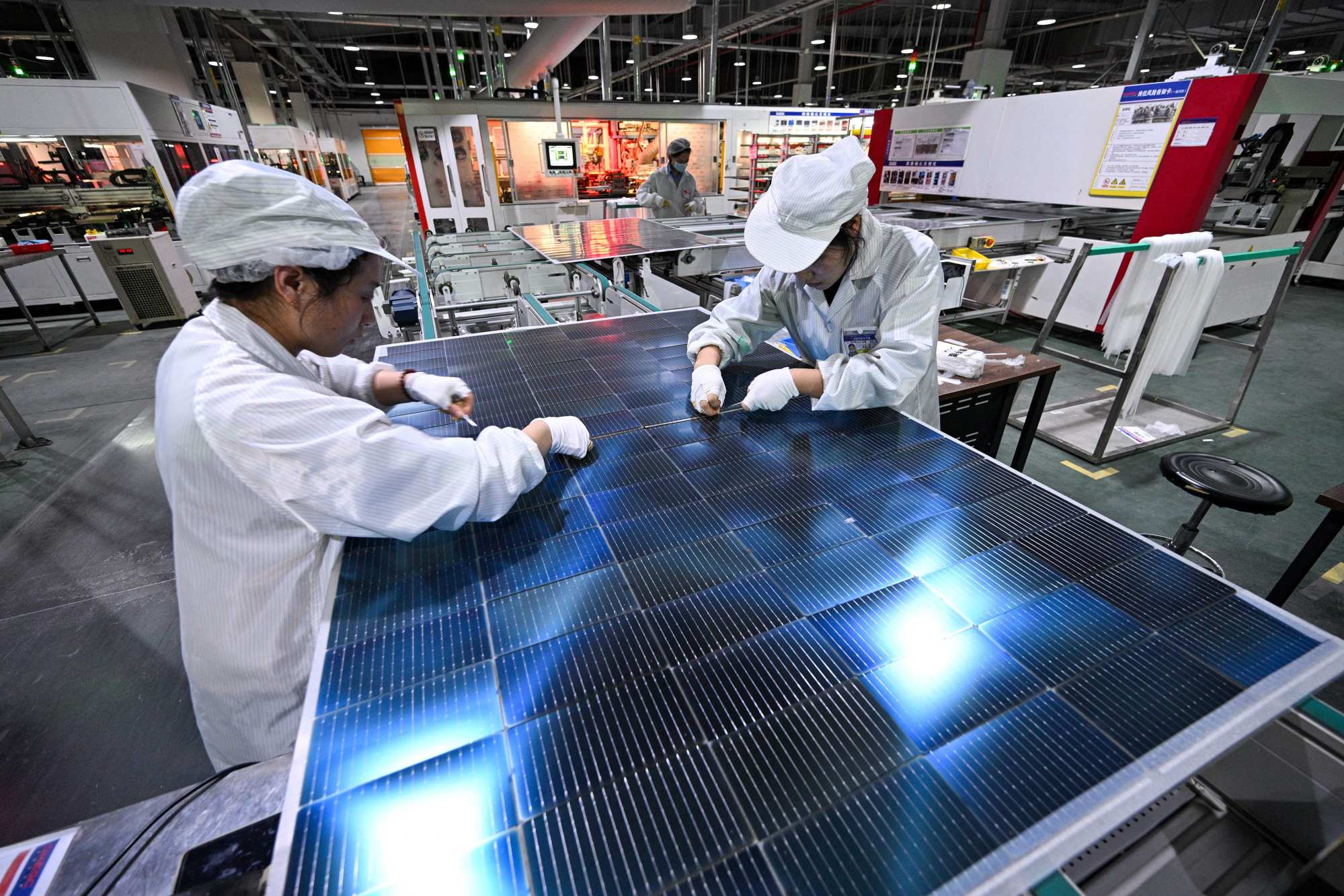
Africa is witnessing a significant rise in the adoption of solar energy, with Chinese-made solar panels becoming increasingly common across the continent. This shift is evident not only on rooftops but also in large-scale renewable energy projects being developed in countries like Algeria and South Africa by Chinese companies. A recent study by Oxford Economics highlights this transformation, showing that the continent welcomed a record 9,516 megawatts (MW) worth of Chinese-made solar panels in the first seven months of this year. This represents a substantial increase from the 6,625 MW recorded during the same period last year.
The growing use of solar energy in Africa is driven by the need to provide electricity to areas not connected to the main power grid and to address frequent power blackouts. As the continent continues to face challenges in providing reliable and affordable electricity, the surge in solar imports offers a promising solution. Sub-Saharan Africa, in particular, has the lowest electricity access rate globally, with only 53.3% of its population having access to electricity—well below the global average of 91.6%.
Leading Countries and Major Projects
South Africa, Algeria, and Nigeria are at the forefront of this solar energy boom, with solar panel imports in several other African countries more than quadrupling year-on-year. This growth is largely attributed to the development of large-scale solar projects by Chinese firms. For example, PowerChina is constructing the 342MW De Aar Central Solar Power Plant in South Africa. In Algeria, PowerChina and China State Construction Engineering Corporation are building extensive solar projects in the desert, including a 220MW plant in Biskra and a 200MW facility in El M’Ghair.
These projects underscore the critical role that Chinese companies play in expanding Africa's solar capacity. According to Lyle Begbie, an economist at Oxford Economics, the lifetime cost of solar energy has dropped significantly over the past decade, making it the most cost-effective form of electrical energy. With China as the world’s largest producer of solar panels, continued technological advancements and production subsidies are expected to further reduce costs.
Economic and Social Impacts
The impact of increased solar energy adoption extends beyond just electricity generation. It is creating opportunities for economic development and improving the quality of life for millions of Africans. The study notes that while there is still a long way to go to ensure reliable and affordable electricity for all, the upward trend in solar imports is a positive step forward.
Dave Jones, chief analyst at the global energy think tank Ember, points out that Africa's solar panel imports from China rose by 60% in the year leading up to June 2025, reaching 15,032MW. Over the past two years, there has been a notable tripling of imports outside of South Africa, with 20 African countries setting new records. This increase in solar capacity is expected to significantly boost electricity supplies across the continent.
For instance, Sierra Leone has imported enough solar panels to generate electricity equivalent to 61% of its 2023 total, while Chad has seen a similar increase. These developments highlight how solar energy is becoming a vital source of power in regions where traditional infrastructure is inadequate or unreliable.
Factors Driving the Growth
Several factors are driving the rapid expansion of solar energy in Africa. One key factor is the drastic reduction in costs due to competition from Chinese manufacturers. W. Gyude Moore, a former Liberian public works minister, attributes the surge in solar energy adoption to this cost reduction and the necessity for reliable power in the face of widespread grid failures and utility insolvency.
"Africa's relative poverty has meant cost matters more in Africa than elsewhere," Moore said. Failing infrastructure has created a pressing need for alternative solutions, and solar panels offer a modular and rapidly deployable technology to address these deficits. As load shedding and utility insolvency continue to affect many parts of the continent, solar energy provides a viable and sustainable alternative.
Conclusion
The increasing reliance on solar energy in Africa reflects a broader shift towards renewable sources of power. With Chinese companies playing a pivotal role in supplying the necessary technology, the continent is taking significant steps toward improving electricity access and reliability. While challenges remain, the growing trend of solar panel imports signals a promising future for Africa's energy landscape.


Comments
Post a Comment