Chinese Experts Tied to Russian Drone Advancement
Chinese Drone Experts Collaborate with Russian Arms Maker Amid Sanctions
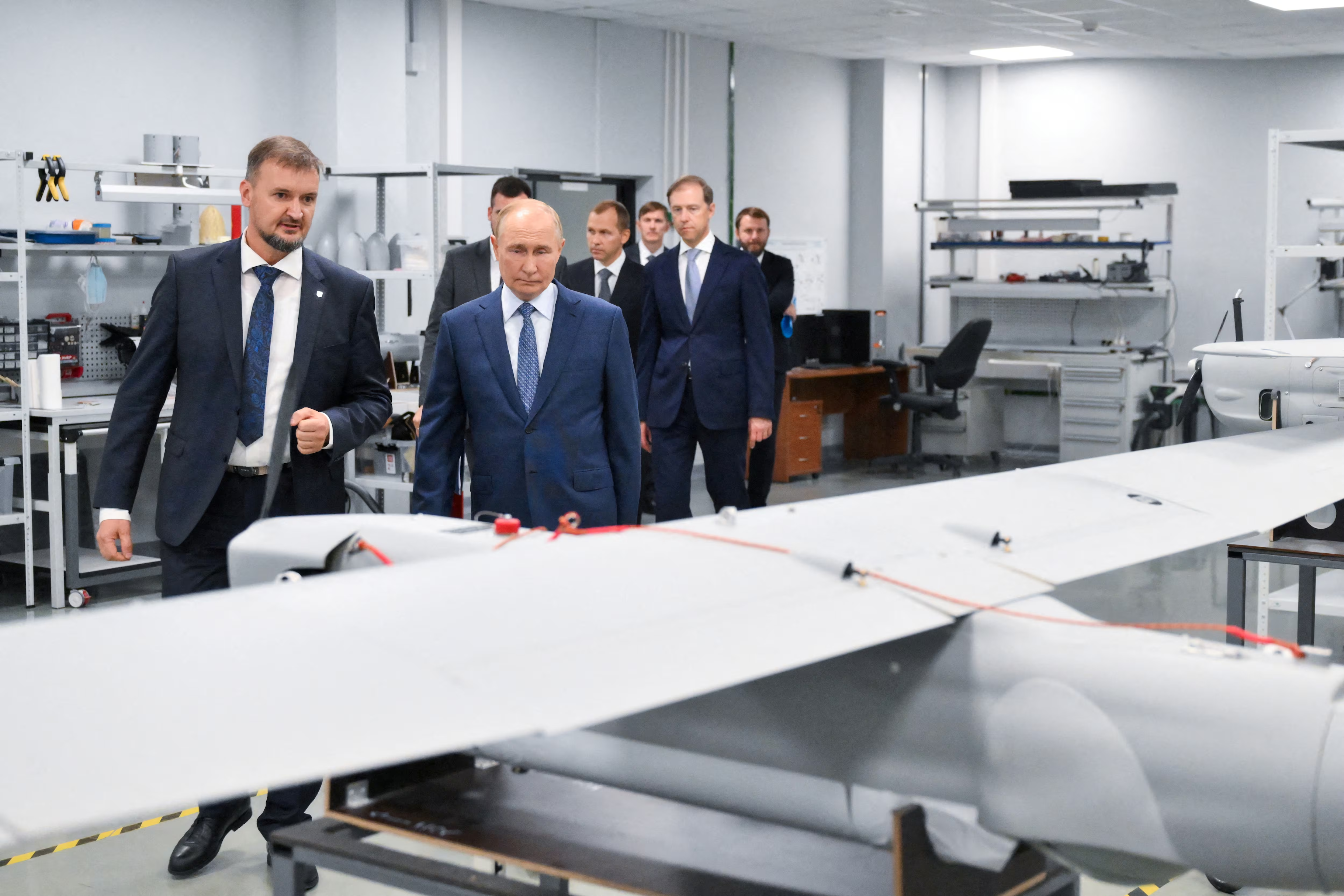
Chinese drone specialists have reportedly made multiple trips to Russia over the past year to support the development of military drones by a state-owned Russian arms manufacturer, IEMZ Kupol. This company is already under Western sanctions, raising concerns about the nature of the collaboration and its implications for global security. According to European security officials and internal documents reviewed by investigators, the experts contributed to the design, assembly, and testing of various military drones, while Kupol also received shipments of Chinese-made attack and surveillance drones through a sanctioned Russian intermediary.
The partnership has drawn attention following the discovery that Kupol developed its Garpiya-3 drone in collaboration with Chinese technical experts. Officials now believe that these engineers not only helped assemble drones within Russia but also participated in flight tests at a military site in Chelyabinsk. This suggests a growing alliance between Russian arms producers and Chinese companies, particularly in expanding production lines for new drone models used in the conflict in Ukraine.
Key Collaborations and Technology Transfer
Documents revealed that Kupol acquired one-way attack drones manufactured by Sichuan AEE, which were supplied through TSK Vektor, a Russian defense procurement firm sanctioned by both the United States and the European Union. Reports indicated that flight tests were conducted on the A60, A100, and A200 models, with Chinese experts providing training to Russian staff during their visits to Kupol’s Izhevsk facilities. Additional invoices showed that Sichuan AEE delivered upgraded A200 drones equipped with anti-jamming systems, valued at over $700,000 in mid-2025.
Another Chinese company, Hunan Haotianyi, was also linked to Kupol through the testing of its HW52V drone in Russia last year. Flight records suggested that the company's CEO, Liu Mingxing, traveled alongside TSK Vektor’s drone department head after an exhibition in Siberia. European officials later assessed that Chinese engineers from the same company worked at Kupol to adapt new engines and flight control computers for Russia’s Garpiya drone series.
Ongoing Technical Support and New Developments
Multiple extended visits by Chinese teams were documented in 2024 and 2025, including a recent trip focused on a new drone model referred to as the GA-21. Analysts believe the GA-21 closely resembles Iran’s Shahed-107 and can be configured for either surveillance or strike missions. These developments highlight how China’s drone technology has become increasingly vital to Russia’s military capabilities, despite international sanctions aimed at limiting its weapons development.
While the Chinese government has denied providing lethal aid to any side in the Ukraine war, Western officials warn that Chinese companies are playing a growing role in Russia’s military supply chain. Experts argue that Chinese components and technical expertise, especially in aerial drone systems, are giving Moscow critical battlefield advantages. This collaboration underscores a shift in the global arms trade, where China is emerging as a key supplier of advanced technology to countries facing international restrictions.
Implications for Global Security
The deepening relationship between Chinese drone manufacturers and Russian defense firms raises significant concerns among Western nations. As Russia continues to rely on foreign technology to sustain its military operations, the involvement of Chinese companies could further complicate efforts to isolate Moscow through economic and diplomatic means. The use of sanctioned intermediaries and the transfer of advanced drone systems indicate a coordinated effort to bypass international restrictions.
This trend also highlights the evolving dynamics of global military alliances. With traditional suppliers like the United States and European countries imposing stricter controls, Russia is turning to alternative partners, including China, to maintain its military edge. The implications of this shift extend beyond the Ukraine conflict, potentially reshaping the balance of power in other regions where Russia seeks to assert influence.
As the situation unfolds, the international community will need to monitor these developments closely. The role of Chinese technology in supporting Russian military operations represents a complex challenge for global security, requiring coordinated responses to address the growing influence of non-traditional arms suppliers.


Comments
Post a Comment