Delta's Hidden Plan to Swap Engines After Toxic Fumes Crisis
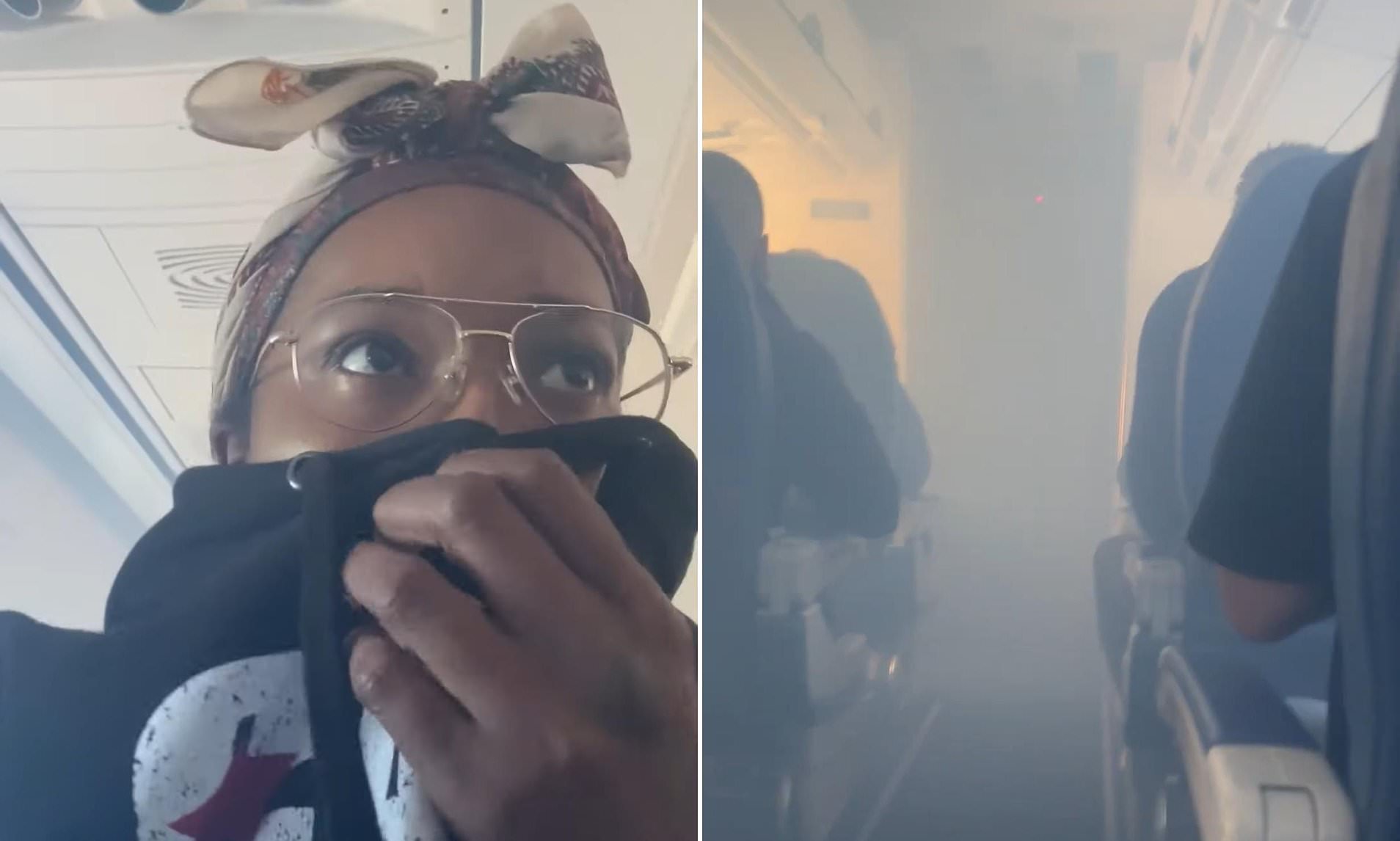
Delta Airlines Addresses Toxic Fumes in Aircraft Cabins
Delta Airlines has been working on replacing the engines of over 300 of its planes following reports of toxic fumes leaking into flight cabins, which have caused brain damage to both passengers and crew members. The airline is nearing completion of engine upgrades on all of its Airbus A320 family jets as part of an effort to prevent such incidents from occurring.
This initiative comes after reports highlighted a significant increase in jet fuel leaks across thousands of flights operated by major airlines in the United States. These leaks have led to symptoms similar to those seen in individuals suffering from chronic traumatic encephalopathy (CTE), typically associated with football players.
According to reports, "thousands of so-called fume events" have been documented by the Federal Aviation Administration (FAA) since 2010, with many linked to Airbus A320 aircraft. The engines involved are known as auxiliary power units (APUs), which serve as a third engine located at the tail of the plane. APUs are used to generate electricity and provide air pressure to the cabin and cockpit when the main engines are not running.
Delta has stated that safety remains its top priority, even though instances of fumes in aircraft cabins are rare. However, the airline has not provided further comments or guidance at this time.
Real-Life Impact of Fume Events
The Wall Street Journal previously reported on testimonies from individuals who claimed to have been affected by fumes leaking into airplane cabins. One such case involves Florence Chesson, a flight attendant who was diagnosed with traumatic brain injury and nervous system damage after inhaling fumes on an Airbus A320. She described the initial experience as a "dirty feet" aroma that permeated the cabin during a flight to Puerto Rico in December 2017.
Chesson recalled feeling as if she had been drugged, while another colleague struggled to breathe and vomited on board. After landing, two colleagues were taken to the hospital, one on a stretcher, and the plane continued its journey to Boston. Chesson described feeling dazed and confused, covered in sweat, and experiencing a metallic taste in her mouth. She also mentioned speaking incoherently and repeatedly asking, “What just happened to me?”
Her symptoms worsened over several months, leading to a diagnosis of permanent nervous system damage. Dr. Robert Kaniecki, her physician, noted that the effects on her brain were remarkably similar to those observed in NFL players who had suffered severe head trauma. He has treated around 12 pilots and 100 flight attendants for similar brain injuries over the past two decades due to exposure to fumes.
Recent Incidents and Ongoing Investigations
Another incident involving potential fume-related issues occurred in April when an American Airlines plane filled with smoke shortly after landing. The Bombardier CRJ900, operated by sister airline American Eagle, faced difficulties after landing at Augusta Regional Airport in Georgia. Flight 5406, which had departed from Charlotte Douglas Airport in North Carolina, landed earlier than scheduled.
Passengers were forced to evacuate the aircraft urgently after it stopped on the runway. Footage captured by passenger Sean O'Conor showed distressed passengers crawling onto the wings before jumping down to the ground. American Airlines confirmed that all passengers deplaned safely and were escorted to the airport terminal. No injuries were reported, and the FAA is currently investigating the incident.
Broader Concerns in Aviation Safety
These events have raised concerns about the safety of air travel and the long-term health effects of exposure to fumes. As more cases come to light, questions continue to arise about the measures being taken to ensure the well-being of passengers and crew. The aviation industry faces increasing scrutiny as incidents like these highlight the need for improved safety protocols and transparency.
With ongoing investigations and growing public awareness, the focus remains on preventing future occurrences and protecting those who rely on air travel for their daily lives.


Comments
Post a Comment