Global Transmission Investment to Hit $573.7B by 2030
The Rise of Smart Grids and the Role of Transmission Infrastructure
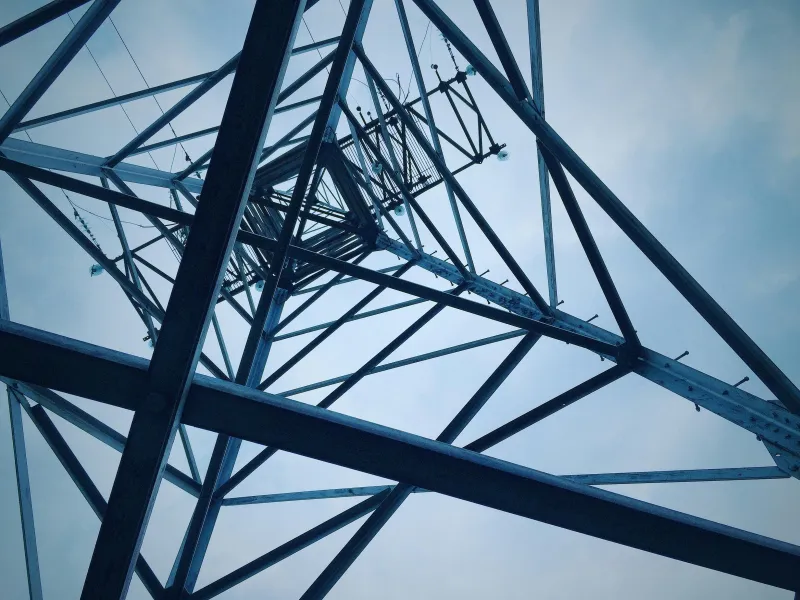
The global push towards more efficient and sustainable energy systems is driving a significant increase in smart grid demand. This shift is being supported by substantial investments in transmission infrastructure, which is projected to grow from $372.6 billion in 2025 to $573.7 billion by 2030. This represents a compound annual growth rate (CAGR) of 9.2% between 2025 and 2030.
According to industry analysts, the expansion of transmission infrastructure is accelerating to meet the growing needs of smart grids. The power transmission market is expected to see strong growth throughout the 2030s as countries and companies invest in modernizing their energy networks.
Key Drivers of Growth
Several factors are contributing to this upward trend in investment. Government initiatives aimed at modernizing energy systems are playing a crucial role. Additionally, the integration of renewable energy sources into the grid is creating a need for more flexible and responsive infrastructure. There is also a growing emphasis on enhancing grid resilience and efficiency to better handle disruptions and ensure reliable power supply.
Technological advancements such as smart meters, artificial intelligence (AI), and the Internet of Things (IoT) are also fueling this transformation. These technologies enable real-time monitoring, data analysis, and automation, which are essential for managing complex energy systems.
The Impact of Artificial Intelligence
Artificial intelligence is particularly transforming how smart grids operate. AI leverages real-time data and advanced algorithms to improve various aspects of grid management. It enhances demand forecasting, enabling utilities to better anticipate and meet energy needs. Predictive maintenance powered by AI helps identify potential equipment failures before they occur, reducing downtime and maintenance costs.
AI also plays a vital role in integrating renewable energy sources into the grid. By optimizing power flow and balancing supply and demand, AI ensures that energy is distributed efficiently. It automates responses to grid instabilities, preventing outages and minimizing energy waste. Overall, AI contributes to a more reliable and sustainable power system.
The Role of Data Centres
Data centres are emerging as key players in the evolution of smart grids. Their high energy demands and reliance on advanced technologies make them an important part of the energy landscape. As data centres continue to expand, their ability to manage energy consumption efficiently becomes critical.
Experts suggest that data centres can leverage technologies such as microgrids, energy storage systems, and grid-interactive uninterruptible power supplies (UPS) to refine their energy use. These solutions allow data centres to reduce their carbon footprint and contribute to a more stable and resilient power infrastructure.
By adopting these technologies, data centres can not only improve their own energy efficiency but also support broader efforts to create a sustainable energy future. Their role in the smart grid ecosystem is becoming increasingly significant as the demand for reliable and clean energy continues to rise.
Conclusion
The convergence of government policies, technological innovation, and the increasing adoption of renewable energy is shaping the future of power systems. As transmission infrastructure expands and AI-driven solutions become more prevalent, the smart grid will play a central role in meeting the evolving energy needs of societies around the world. With continued investment and collaboration, the transition to a more efficient, resilient, and sustainable energy network is well underway.


Comments
Post a Comment