Heathrow Prepares for Second Day of Chaos After Cyberattack
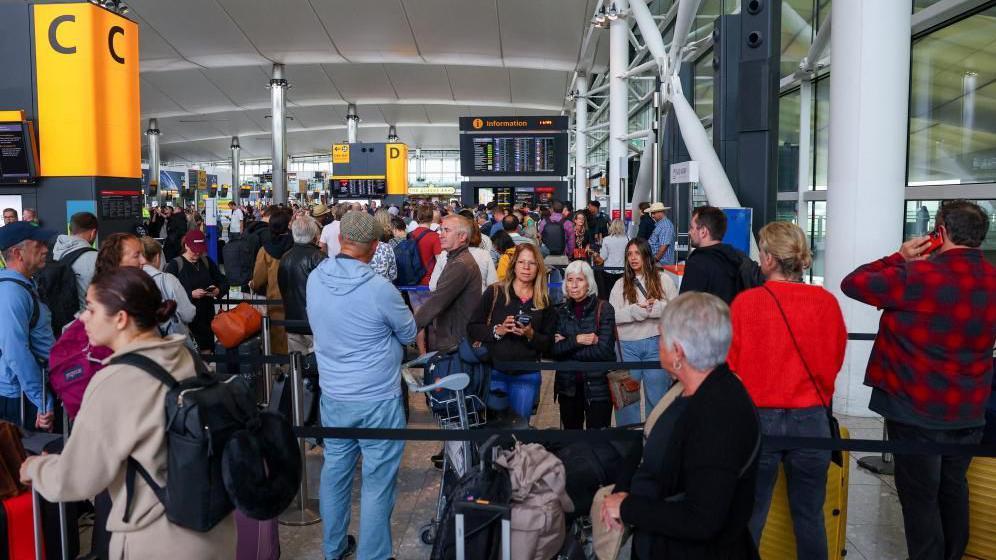
Disruption Continues at Major European Airports Following Cyber-Attack
Air travelers across Europe are experiencing ongoing disruptions as several major airports, including Heathrow, continue to deal with the aftermath of a cyber-attack that impacted check-in and baggage systems. The incident has led to widespread delays, manual check-ins, and a significant number of flight cancellations.
Impact on Airports and Airlines
The cyber-attack affected the software used by multiple airlines, forcing airports to revert to manual processes. At Heathrow, one of the busiest airports in the world, hundreds of flights were delayed on Saturday. While British Airways managed to operate normally using a backup system, most other airlines serving the airport faced challenges due to the outage. Flight tracking service FlightAware reported that 47% of departing flights from Heathrow were delayed, with some passengers waiting for hours to check in.
Brussels Airport also experienced significant disruption, with officials stating they had no indication of when the system would be restored. To mitigate the impact, the airport asked airlines to cancel half of their departing flights. Manual check-in procedures continued on Sunday, with additional staff deployed to assist passengers.
At Dublin Airport, while technical issues persisted, officials stated that they expected to maintain a full schedule on Sunday. Meanwhile, Berlin Brandenburg Airport urged travelers to use online or self-service check-in options instead of traditional desks during the outage. Although there were eight cancellations on Saturday, delays were generally less than 45 minutes.
Passenger Experiences and Challenges
Passengers have been heavily affected by the disruptions. Lucy Spencer shared her experience of queuing for over two hours to check in for a Malaysia Airlines flight, with staff handling check-ins over the phone. Another passenger, Monazza Aslam, described waiting since the early morning with her elderly parents, who ultimately missed their connecting flight due to the delays.
Eurocontrol, the European aviation safety organization, has advised airlines to cancel half of their flight schedules to and from affected airports until 02:00 on Monday. This measure aims to reduce congestion and manage the ongoing challenges.
Responses from Authorities and Industry
The National Cyber Security Centre (NCSC) confirmed that it is working closely with Collins Aerospace, UK airports, the Department for Transport, and law enforcement to assess the full impact of the incident. The European Commission has also been monitoring the situation, though it has not indicated that the attack was widespread or severe.
Transport Secretary Heidi Alexander stated that she is receiving regular updates and closely monitoring the situation. The incident has raised concerns about the vulnerability of the aviation industry to digital system failures, especially after a similar global IT crash in July 2023, caused by a faulty software update from cybersecurity firm Crowdstrike.
What Passengers Should Know
For those affected by flight cancellations or delays, it is important to understand your rights. Airlines are typically required to provide assistance, such as meals, accommodation, and rebooking options, depending on the duration of the delay. Passengers are advised to contact their airline directly for updates and to check their flight status before heading to the airport.
As the situation continues to unfold, airports and airlines are working to restore normal operations. However, the incident serves as a reminder of the critical role of technology in modern air travel and the potential risks associated with cyber threats.


Comments
Post a Comment