Hyosung, HD Hyundai, LS, Iljin Chosen for 500-kV HVDC Converter Project
Key Developments in South Korea's High-Voltage Direct Current (HVDC) Infrastructure
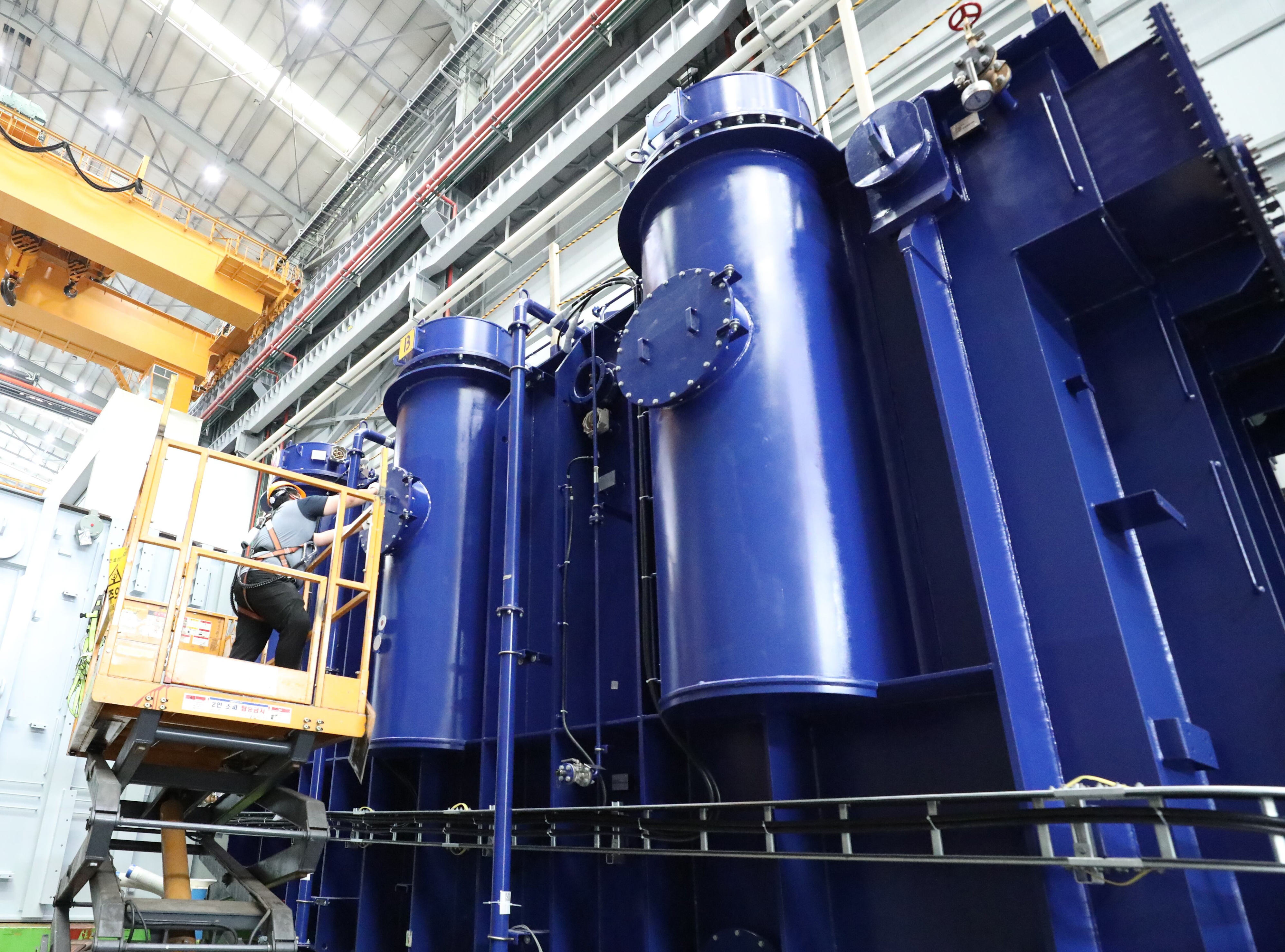
South Korea has taken a significant step forward in its efforts to modernize its energy transmission systems. The Ministry of Trade, Industry and Energy recently confirmed the selection of four leading companies—Hyosung Heavy Industries, HD Hyundai Electric, LS Electric, and Iljin Electric—as key players in the development of a 500-kilovolt (kV) class high-capacity voltage-source HVDC converter transformer. This initiative marks a pivotal moment in the country’s transition toward more efficient and sustainable power transmission.
Understanding the Benefits of HVDC Technology
High-voltage direct current (HVDC) technology is gaining traction due to its numerous advantages over traditional alternating current (AC) systems. One of the primary benefits is its ability to transmit large amounts of electrical power over long distances with minimal loss. Unlike AC systems, HVDC does not produce electromagnetic waves, which makes it a more stable and efficient option for long-distance power transmission.
In particular, voltage-source HVDC (VSC-HVDC) is being recognized as a more advanced solution for integrating renewable energy sources into the grid. This system offers superior real-time control of bidirectional power flow and enhanced grid stabilization compared to conventional current-source HVDC systems. These features make VSC-HVDC especially valuable for managing the variable output of wind and solar power, which are increasingly becoming central to national energy strategies.
Government-Led Initiatives and Strategic Goals
The government is actively driving the development of converter transformers that can support voltage-source HVDC technology. This effort is part of a broader strategy to connect various power generation sources, including national industrial hubs and renewable energy facilities. A major goal is the establishment of the West Sea (Yellow Sea) Energy Highway by 2030, a key policy initiative under President Lee Jae-myung’s administration.
This ambitious project was included in the second supplementary budget in July. Following this, the ministry publicly announced the initiative and formed an evaluation committee comprising industry experts, academics, and researchers to identify suitable participating companies. The government has allocated 12 billion won for the project next year, with a target of completing the development of high-capacity voltage-source HVDC converter transformer technology by 2027.
Private Sector Contributions and Future Integration
While the government is spearheading the development of critical infrastructure, the private sector is also making strides in advancing high-capacity voltage-source HVDC valves and controllers. This parallel progress highlights the collaborative nature of South Korea’s approach to energy innovation.
The ministry plans to integrate the outcomes of both government and private projects to construct a demonstration line by 2030. This integration will be crucial in showcasing the feasibility and efficiency of the new technology on a larger scale. In addition, the ministry aims to finalize an “HVDC Industry Promotion Strategy” by the end of this year. This strategy will serve as a detailed roadmap for the construction of the West Sea (Yellow Sea) Energy Highway, ensuring a structured and coordinated approach to implementation.
Conclusion
With the selection of these four key companies and the commitment of significant financial resources, South Korea is positioning itself as a leader in the adoption of advanced HVDC technology. The focus on renewable energy integration, grid stability, and long-distance power transmission aligns with global trends toward more sustainable and resilient energy systems. As the country moves forward with its strategic goals, the success of this initiative could serve as a model for other nations seeking to modernize their power infrastructure.


Comments
Post a Comment