Interlune CEO: Space Exploration's Ultimate Challenge
Vision for the Future of Space Exploration
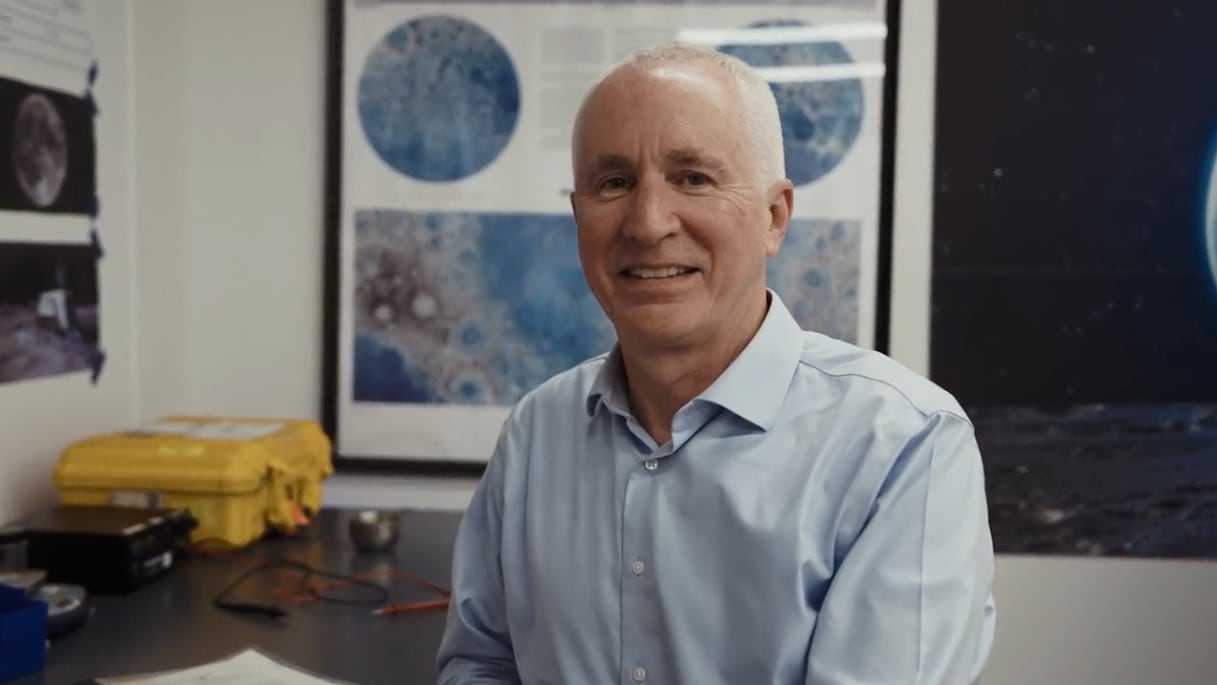
Rob Meyerson, CEO of Interlune, emphasized the importance of entrepreneurial spirit in unlocking the vast potential of space during a recent interview. He stated, “To realize the boundless possibilities the universe offers humanity as soon as possible, we need more entrepreneurs with exceptional capabilities and unwavering determination.” Meyerson also expressed openness to collaboration with Korean companies, highlighting the growing interest in space exploration across different regions.
Meyerson’s journey into the space industry began with his studies in aerospace engineering at the University of Michigan. His career took off when he worked as an engineer at NASA and various private space companies. Eventually, he became the first CEO of Blue Origin, the space company founded by Jeff Bezos. Under his leadership, Blue Origin experienced significant growth over 15 years. He was instrumental in the development of the reusable suborbital launch vehicle “New Shepard” and played a key role in designing Blue Origin’s first large reusable launch vehicle, “New Glenn.”
In 2020, Meyerson co-founded Interlune, a space natural resource mining company. Alongside other Blue Origin executives, he partnered with Harrison Schmitt, a 90-year-old astronaut who flew on Apollo 17. Schmitt, who has been involved in research projects at the University of Wisconsin-Madison since 1986, was one of the first to recognize the potential of using Helium-3 for nuclear fusion. Meyerson recruited Schmitt as a scientific advisor for Blue Origin, and the two developed a strong professional relationship that eventually led them to explore new ventures together.
Investor Confidence and Market Potential
When discussing how investors view Interlune, Meyerson shared insights about the company’s appeal. He said, “Investors are funding us because they see the potential demand for space resources like Helium-3.” He added, “They know that what Interlune is doing is something no one has attempted before and involves many technical challenges, but they also recognize it as an essential challenge.”
The space resource mining sector is still in its early stages, and while there are few direct competitors, there are numerous space companies working towards building a lunar economy. Meyerson acknowledged this growing trend and encouraged aspiring entrepreneurs, especially those from Korea, to pursue opportunities in the space industry. He remarked, “There is no challenge more exciting or rewarding than space exploration and technology development.”
The Road Ahead for Space Exploration
Interlune's mission is not just about extracting resources from space; it is about paving the way for sustainable space travel and long-term human presence beyond Earth. The company’s focus on Helium-3, a rare isotope that could revolutionize energy production, highlights the forward-thinking approach of its leadership.
As the space industry continues to evolve, companies like Interlune are at the forefront of innovation. Their work represents a shift from traditional space exploration to a more commercialized and sustainable model. This transformation requires not only technological advancements but also a willingness to take risks and embrace new ideas.
Meyerson’s vision for the future is clear: to create a thriving space economy that benefits humanity. By fostering collaboration, investing in research, and encouraging entrepreneurship, he believes that the next generation of space explorers can achieve what was once thought impossible.
With the support of investors and the growing interest in space-related ventures, Interlune is well-positioned to play a significant role in shaping the future of space exploration. As the company moves forward, it will continue to push the boundaries of what is possible, inspiring others to dream bigger and reach further into the cosmos.


Comments
Post a Comment