Islamabad Schools Adopt AI Education
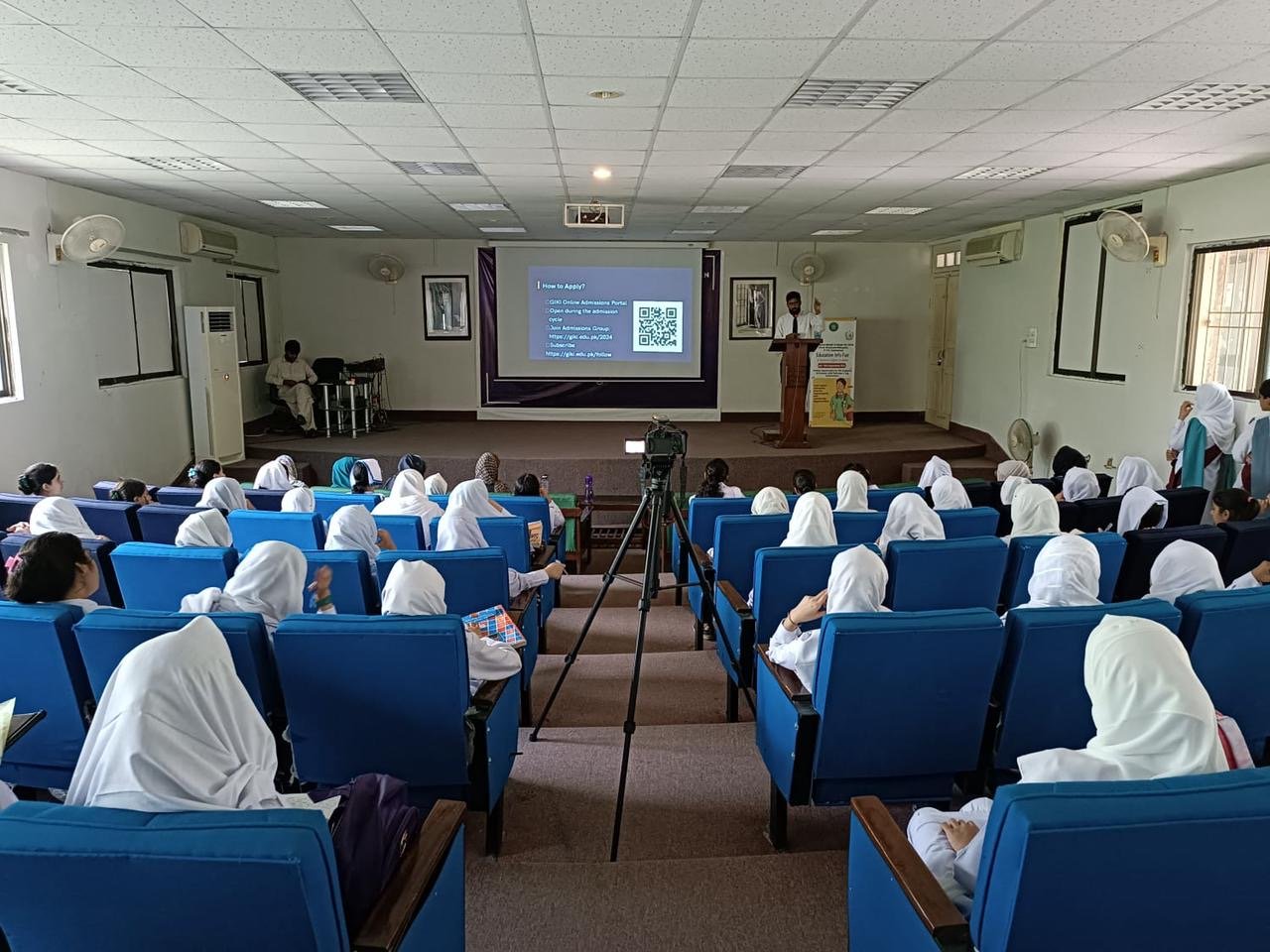
Introduction to Artificial Intelligence in Federal Schools of Islamabad
In a bold move towards modernizing education, students in federal schools located in Islamabad will now be introduced to artificial intelligence (AI) as part of their curriculum. This initiative marks a significant step in aligning Pakistan's educational system with global trends and preparing the youth for the challenges of the digital age. The goal is to equip young learners with essential digital skills that are becoming increasingly vital in today's rapidly evolving world.
AI Integration into the Curriculum
The project is set to begin from the eighth grade, where AI-powered systems will be used to deliver the national curriculum. By implementing this approach, educators aim to make lessons more interactive, efficient, and personalized for each student. This shift highlights the growing recognition that technology-driven education can significantly enhance learning outcomes and better prepare students for higher education and future careers.
Teachers will also undergo training to effectively use these tools, ensuring they can maximize the impact of AI in the classroom. This comprehensive approach not only focuses on the students but also empowers educators with the necessary skills to integrate AI into their teaching methods.
Pilot Project Launch
To evaluate the effectiveness of the AI-based system, a pilot project will be launched in one urban and one rural school. This initiative allows authorities to test the system in different environments and gather valuable feedback. The pilot will serve as a foundation to identify challenges, assess benefits, and understand how AI can be adapted to meet varying educational needs across Pakistan's diverse regions.
Expansion Plans
If the pilot project proves successful, the program will be expanded to reach up to 100,000 students across federal schools. This large-scale rollout would represent one of the most ambitious educational reforms in the country's recent history. By expanding access to AI-assisted learning, authorities aim to ensure that students from both urban and rural backgrounds are equally equipped to thrive in the digital era.
Evaluation and Review
The Pakistan Institute of Education has been tasked with conducting a detailed review of the project. This evaluation will focus on student performance, teacher readiness, and overall system effectiveness. Experts emphasize that the program's success will rely heavily on providing technical support and ensuring equal access to technology for all participating schools.
Collaboration with Technology Partner
To formalize the initiative, the Federal Directorate of Education has signed an agreement with MindHive, a leading technology partner. This collaboration is expected to provide the technical expertise and resources necessary to implement AI in classrooms effectively. Stakeholders express optimism that the project could transform Pakistan's educational landscape by introducing innovation, reducing learning gaps, and equipping the youth with skills essential for future success.
Conclusion
The introduction of AI into the curriculum of federal schools in Islamabad is a transformative step that reflects the commitment to modernizing education in Pakistan. By integrating technology into the learning process, the initiative aims to create a more inclusive and effective educational environment. As the pilot project progresses, it will be crucial to monitor its impact and adapt strategies to ensure that all students benefit from this innovative approach. The potential for AI to revolutionize education and prepare students for the future is immense, and this initiative represents a promising beginning.


Comments
Post a Comment