Labour aide vows AI giants won't exploit UK's creative talent
The Debate Over AI and Creative Industries in the UK
Artificial intelligence (AI) companies may not be required to pay publishers and artists for using their work, according to a statement made by an aide to the Technology Secretary. This claim has raised concerns among musicians, artists, and writers who are worried about the potential impact on their livelihoods.
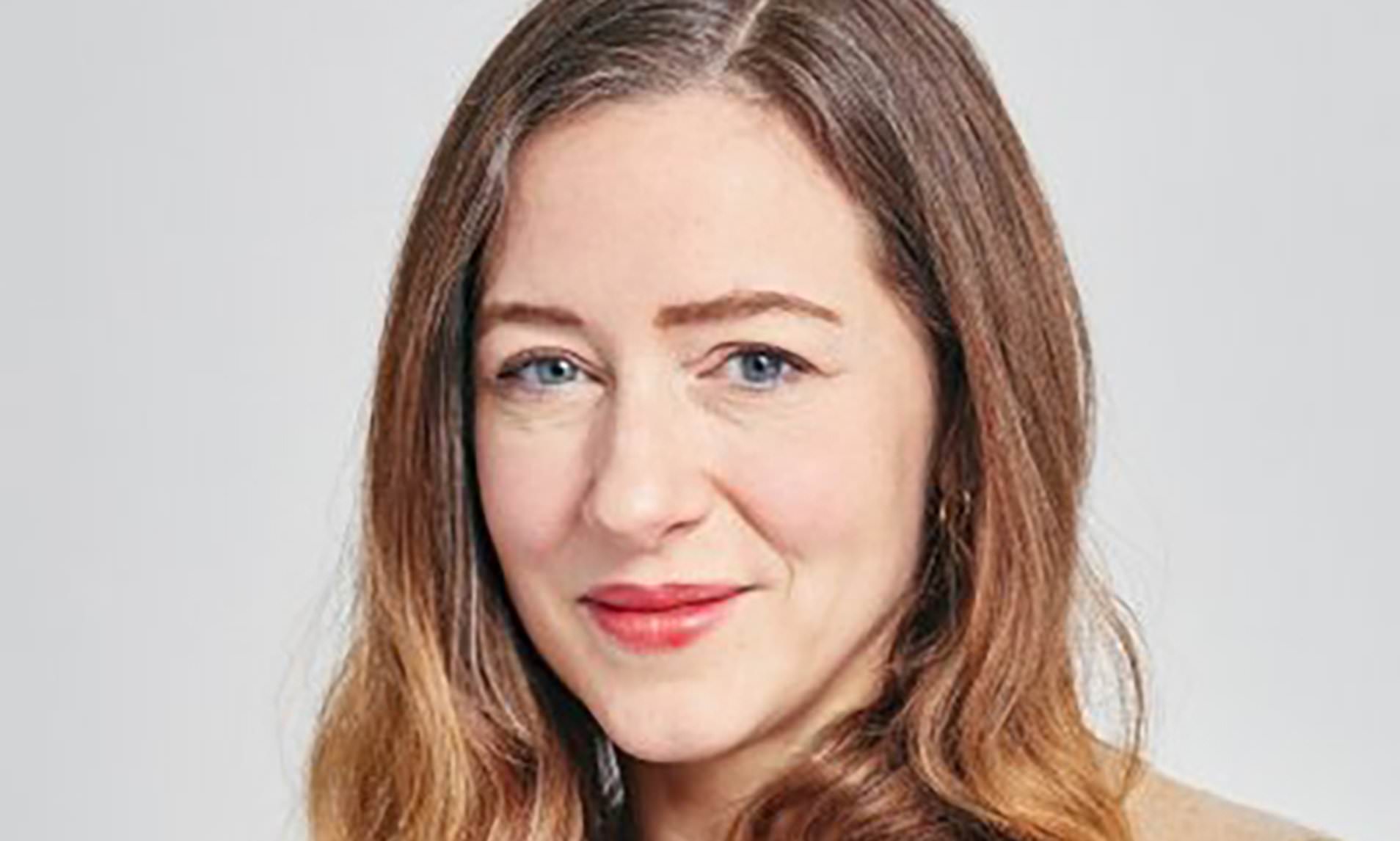
Kirsty Innes, an adviser to Liz Kendall, suggested that major technology firms would not have to compensate creators for utilizing their content to train AI systems. This development has sparked alarm within the creative community, as they seek fair treatment from tech giants that leverage their work.
The Daily Mail has been actively campaigning to protect Britain’s creative industries from the risks posed by AI. The newspaper highlights the government's plans to allow these companies to bypass copyright rules. In a social media post, Ms. Innes stated, "Whether or not you philosophically believe the big AI firms should compensate content creators, they in practice will never legally have to." This implies that AI firms can use online materials—such as text, images, or music—to enhance their models without adhering to copyright laws that ensure creators receive payment.
Instead, members of the UK's £126 billion creative industries would need to opt out of having their work used. Critics argue this system is akin to allowing burglars to take whatever they want from a home unless the owner places a note on the door requesting them not to.
Ms. Innes, who previously worked at the Tony Blair Institute (TBI), has since deleted her original statement, which she posted on social media in February. This was seven months before she became a ministerial adviser. The Guardian reported that TBI received donations from Oracle tech billionaire Larry Ellison, amounting to $270 million last year. Oracle is also a supporter of the $600 billion Stargate project, which aims to build AI infrastructure across the US in collaboration with OpenAI and the Japanese investment firm SoftBank.
Despite the controversy, Ms. Innes and Ms. Kendall have not commented on the reports. The debate surrounding AI and copyright continues to grow, with many questioning whether the UK government is prioritizing technology over artistry.
Key Questions Raised
-
Is the UK government's AI strategy prioritizing tech over artistry by permitting giants to bypass copyright, sparking fears of creative industry's unraveling?
The current approach seems to favor technological advancement over protecting the rights of creators. This could lead to a significant shift in how creative industries operate. -
Could Britain’s £126 billion creative industries face a catastrophic hit if AI copyright exceptions become law?
If AI companies are allowed to use creative works without compensation, it could severely impact the revenue streams of artists, writers, and musicians. -
Is the UK government sacrificing its creative sector to cater to Big Tech's AI ambitions?
There are growing concerns that the government might be compromising the interests of the creative sector to support the expansion of AI technologies. -
Are AI giants poised to exploit UK creatives as Labour and Tories clash over copyright law amendments?
The political divide between parties on this issue highlights the complexity of balancing innovation with the protection of creative rights. -
Could Labour's 'nonsensical' AI plan put Britain's creative industry in peril by giving Big Tech free rein over artists' work?
The proposed policies have drawn criticism for potentially undermining the value of creative work and leaving artists vulnerable to exploitation.
As the conversation around AI and copyright continues, it is crucial for policymakers to consider the long-term implications for the creative industries. Balancing innovation with the rights of creators will be essential in shaping a sustainable future for both technology and the arts.


Comments
Post a Comment