Nick Park Warns AI Could Replace the Human Touch in Animation
The Endangered Art of Stop-Motion Animation
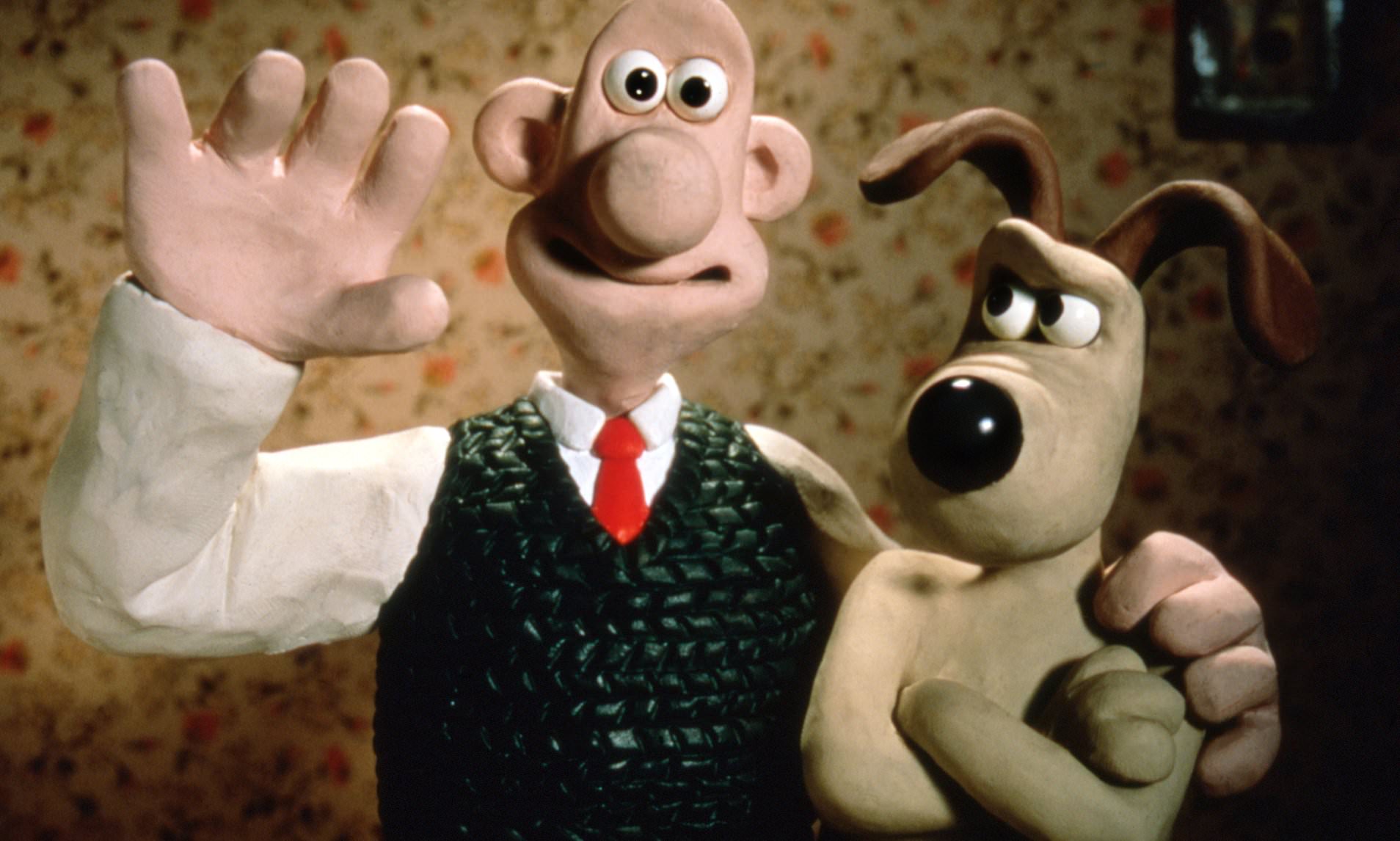
Since their debut in A Grand Day Out in 1989, Wallace and Gromit have captivated audiences around the world with their whimsical adventures. These beloved characters, brought to life through stop-motion animation, have become a cultural icon, known for their unique charm and the tactile quality of their clay-based creations. The unmistakable thumbprints on their figures are a testament to the human effort behind each frame.
However, the future of this traditional art form is now under threat. Nick Park, the creator of Wallace and Gromit, has voiced concerns about the growing influence of artificial intelligence (AI) in the entertainment industry. He worries that the "human touch" which makes stop-motion so special could be lost in favor of more efficient, digital methods.
Speaking ahead of the opening of a new exhibition celebrating his work in Preston, where he grew up, Park shared his apprehensions. He emphasized that the charm of his creations comes from the physical materials used—clay, silicon, and real objects. "Gromit was born out of clay," he said, questioning whether the character would have had the same impact if it were computer-generated.
Despite the increasing use of CGI in modern filmmaking, the world of Wallace and Gromit remains rooted in the hands-on process of stop-motion. Each movement of the characters is carefully crafted, frame by frame, capturing the imperfections that make them feel alive. Yet, the rise of AI tools like ChatGPT, which can generate images in seconds, has sparked fears among artists and creators about the potential loss of traditional techniques.
Park acknowledged the dual nature of AI’s impact. "There's lots of fear, but also excitement," he noted. While he recognizes the potential of technology, he believes that the essence of stop-motion lies in its human element. "We have always embraced technology, even in our traditional methods," he added. "But there’s something irreplaceable about the texture and warmth of real materials."
The debate over AI's role in creative industries is gaining momentum. As generative AI becomes more advanced, questions arise about its ability to replicate the emotional depth and authenticity of human-made art. For Park, the idea of replacing the tactile experience of working with clay with a digital simulation feels like a step away from the heart of his craft.
His concerns are not unfounded. The rapid development of AI has already begun to reshape how content is created, raising ethical and artistic dilemmas. While some see AI as a tool for innovation, others worry about the erosion of craftsmanship and originality.
Wallace and Gromit's latest film, Vengeance Most Fowl, premiered on the BBC last Christmas and continues the tradition of blending humor with handcrafted storytelling. The film showcases the enduring appeal of the duo, whose adventures remain as fresh today as they were decades ago.
The Harris Museum in Preston is currently hosting an exhibition dedicated to the characters, featuring original models, concept art, and early sketches. This display highlights the painstaking process behind the films and serves as a tribute to the artistry involved in stop-motion animation.
For Park, the exhibition is more than just a celebration of his work—it’s a personal milestone. Growing up in Preston, he often visited the museum as a child, inspired by the books and resources available there. Now, seeing his own exhibition displayed in the same space fills him with pride and nostalgia.
Over the years, Wallace and Gromit have evolved from short films to full-length features, earning critical acclaim and multiple awards. Their journey from The Wrong Trousers (1993) to The Curse of the Were-Rabbit (2005) has solidified their place in animation history.
As the world continues to embrace technological advancements, the question remains: will traditional art forms like stop-motion survive? For now, creators like Nick Park are determined to preserve the magic of their craft, ensuring that the human touch remains at the heart of storytelling.


Comments
Post a Comment