Russian Jets and Drones Routinely Cross NATO Borders
Escalating Tensions in Europe as Russian Drones and Aircraft Challenge NATO
Recent developments have significantly heightened tensions in Europe, with Russian unmanned aerial vehicles (UAVs) and fighter jets repeatedly violating NATO airspace. These incidents have raised concerns among European nations and the alliance itself, as they threaten regional stability and security.
Drone Incursions and Air Traffic Disruptions
Russian drones have been spotted over several key locations, including major airports and military bases. On the 24th, drones were reported over at least five sites, such as Denmark’s Aalborg Airport and Skrydstrup Air Base, causing temporary closures of some facilities. This followed a similar incident on the 22nd, where drones disrupted air traffic in Copenhagen, Denmark, and Oslo, Norway. The presence of these drones has led to significant disruptions, forcing authorities to halt flights and implement emergency protocols.
In addition to drone activity, Russian military aircraft have also been involved in incidents that have impacted NATO operations. For instance, a Spanish military aircraft carrying the country’s defense minister was subjected to GPS signal interference near Kaliningrad, a Russian exclave. Spain has deployed an air force detachment to Lithuania’s Šiauliai Base to counter any potential threats from Russian military aircraft in the region.
Military Aircraft Violations and NATO Responses
Russian military aircraft have continued to intrude into NATO member airspace. On the 10th, over 20 Russian drones violated eastern Polish airspace, prompting Poland and NATO fighters to shoot down three or four of them. This marked the first time since NATO’s founding in 1949 that the alliance has taken such action against Russian military aircraft. On the 13th, a Russian attack drone entered Romanian airspace, leading to an F-16 intercept by the Romanian military. Similarly, on the 19th, three Russian MiG-31 fighters briefly violated Estonian airspace for about 12 minutes.
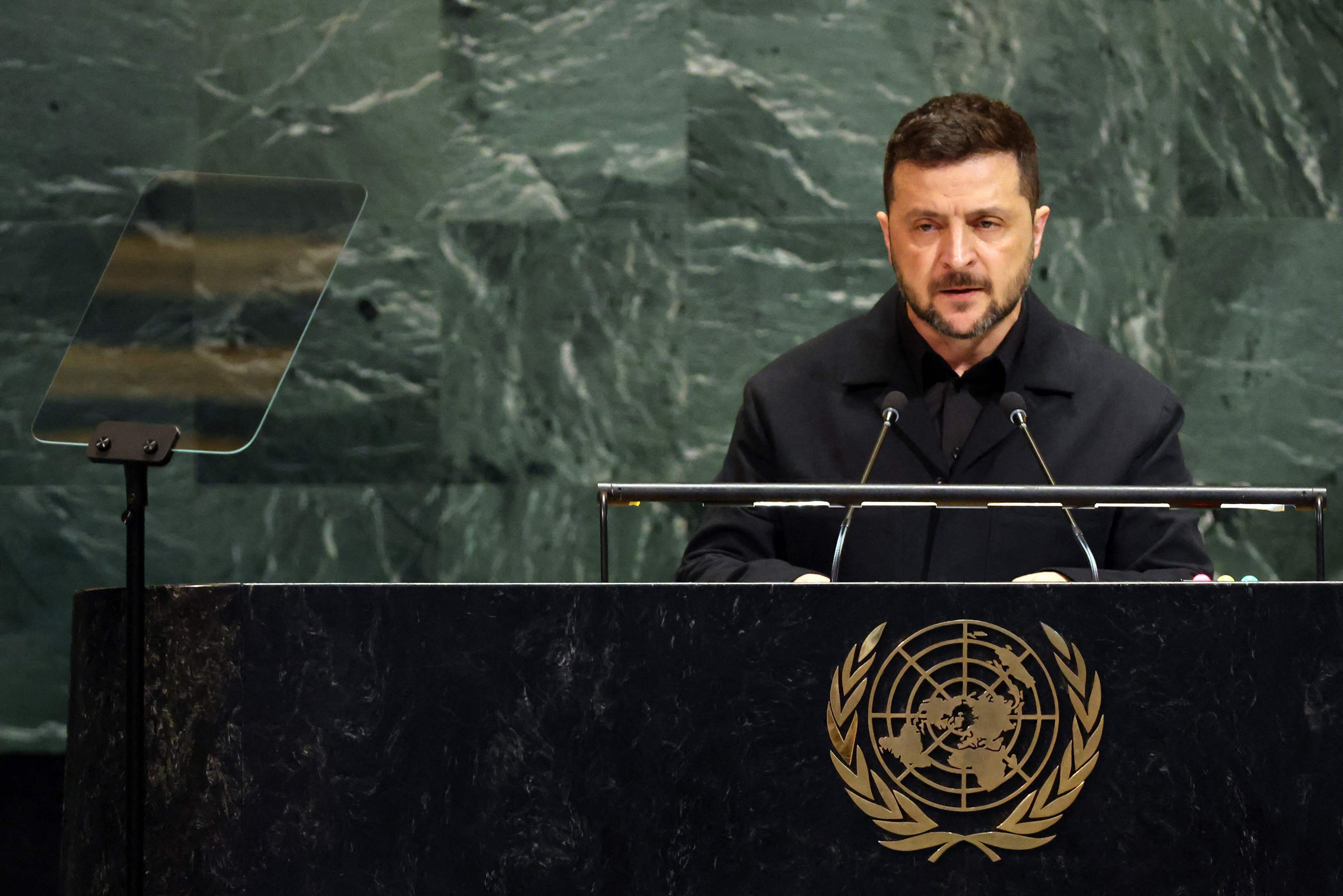
These incidents have not gone unnoticed by Ukrainian leadership. Ukrainian President Volodymyr Zelenskyy warned during a UN General Assembly speech on the 24th that “Russian drones are already flying across Europe.” He highlighted recent incursions into Poland, Romania, and Estonia, stating that “Russian President Vladimir Putin seeks to expand and prolong the war,” adding that “No one in Europe can now guarantee their safety.”
NATO's Strong Response
NATO has issued a firm warning through its highest consultative body, the North Atlantic Council (NAC). In a statement, the NAC demanded that “Russia must immediately cease its reckless airspace violations” and vowed to “deter aggression using all military and non-military means.” NATO Secretary-General Mark Rutte emphasized this stance at a press conference, stating, “We will not tolerate repeated dangerous behavior by Russia, whether intentional or not.”
Despite the strong response, NATO allies remain divided on how to address the situation. Polish Prime Minister Donald Tusk has called for shoot-downs in response to further airspace violations, while Latvia, Lithuania, and other Eastern Front states have also advocated for firm action. Conversely, Germany and Finland have expressed caution, arguing that immediate shoot-downs could risk falling into Putin’s escalation trap. U.S. President Donald Trump responded positively to the idea of shooting down Russian aircraft but avoided committing to U.S. support, stating, “It depends on the situation.”
Russia's Denial and Strategic Intentions
Russia has denied all responsibility for the incidents, claiming that “our drones have a maximum range of 700 km and cannot reach Polish borders.” It also asserts that “Russian aircraft followed pre-agreed routes and did not violate Estonian airspace.” Regarding the Danish airport disruptions, Moscow dismissed involvement, stating, “There is no reason to escalate tensions with Europe.”
Analysts suggest that Russia’s actions may be part of a broader strategy to provoke chaos within NATO while appearing innocent. Western security experts believe that Russia aims to probe NATO’s response times, engagement rules, and command procedures—intentionally testing the alliance’s readiness amid potential escalation. The Associated Press noted that “Russia may be mixing electronic warfare drones with low-cost UAVs to disrupt NATO air defenses and collect response patterns.”
Some observers argue that Russia seeks to divert European attention from Ukraine to its own defense, weakening military support like air defense systems. European media have highlighted the financial burden of scrambling high-value assets like F-35 fighters to intercept relatively inexpensive drones. The Guardian pointed out that persistent disruptions to civilian infrastructure could fuel public discontent, suggesting that Russia aims to “exploit NATO’s internal divisions and fatigue.”


Comments
Post a Comment