SK Chairman Views AI as Rescue for Struggling Manufacturing
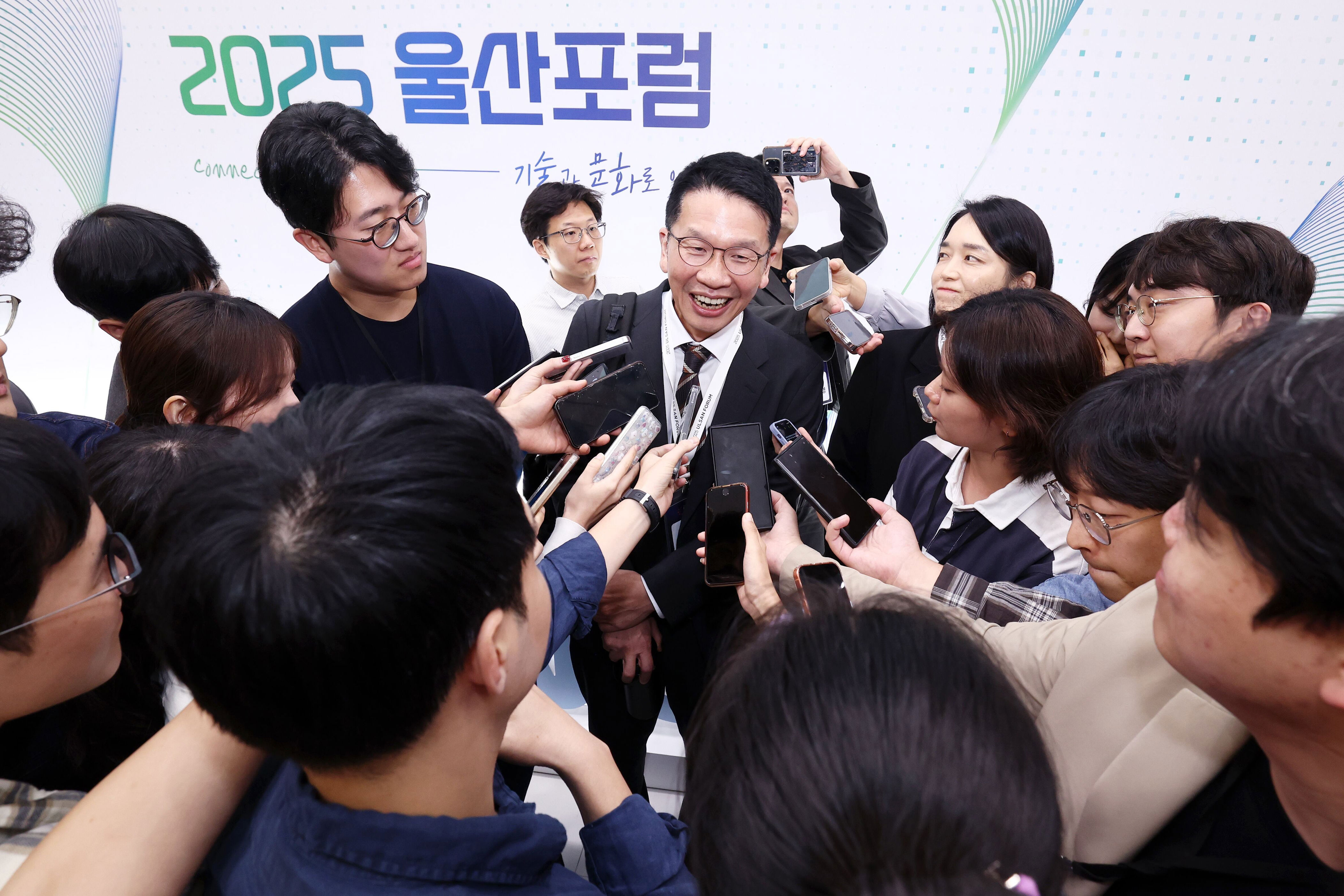
AI as a Potential Savior for South Korea’s Manufacturing Sector
At the 2025 Ulsan Forum, held on the 24th of last month, Chey Chang-won, Chairman of the SK Supex Council, highlighted the role of artificial intelligence (AI) in addressing concerns about the declining competitiveness of South Korea’s manufacturing industry. He described AI as a potential savior, offering solutions to challenges posed by global competitors like China, which benefit from low labor costs and large-scale production.
Chey emphasized that while South Korea's manufacturing sector faces stiff competition, AI could be the key to overcoming these obstacles. He pointed out that traditional strategies, such as relying on China's economic success or the support of the United States, are no longer sufficient. Instead, he suggested that new approaches—particularly those involving AI—are essential for sustaining growth and maintaining competitiveness.
The Role of AI in Business Sustainability
The Ulsan Forum, established in 2022 to mark the 60th anniversary of SK Innovation, serves as a platform for companies to discuss the future of Ulsan and its industrial landscape. During the event, Chey discussed the impact of regional extinction, climate change, and geopolitical tensions on business sustainability. He noted that many businesses and local communities are struggling to adapt to these changes, making it increasingly difficult to rely on past models of success.
According to Chey, AI has the potential to provide a breakthrough in this context. He explained that while individual companies are experiencing declines in quality, cost management, safety oversight, and decision-making productivity, AI technology offers an opportunity to restore their competitive edge. He added that the revival of the manufacturing sector depends on processes, awareness, and technological changes that can be driven by AI integration.
Strategic Personnel Changes in SK Group
In addition to discussing AI, Chey also addressed the topic of personnel appointments within the SK Group. He mentioned that following the completion of business restructuring, including the merger between SK Innovation and SK E&S, and the resolution of issues related to the SK Telecom hacking incident, there will be further appointments for presidents and executives.
When asked about the direction of this year’s personnel strategy, Chey outlined two main priorities: resolving economic challenges effectively and cultivating next-generation managers. He acknowledged that the timing of these appointments remains flexible, reflecting the dynamic nature of the business environment.
Key Focus Areas for Future Growth
Chey’s comments highlight the need for strategic shifts in how South Korean industries approach both technological innovation and human resource development. By leveraging AI, companies can enhance efficiency, improve decision-making, and maintain a competitive position in the global market. At the same time, investing in leadership development ensures that organizations are prepared to navigate future uncertainties.
As the manufacturing sector continues to face evolving challenges, the integration of AI and a focus on sustainable growth strategies will be crucial. Chey’s insights at the Ulsan Forum underscore the importance of adapting to changing conditions and embracing new technologies to secure long-term success.


Comments
Post a Comment