Solar Railway and EV Parking Innovations Approved in Regulatory Sandbox
Innovations in Energy and Technology Enabled by Regulatory Flexibility
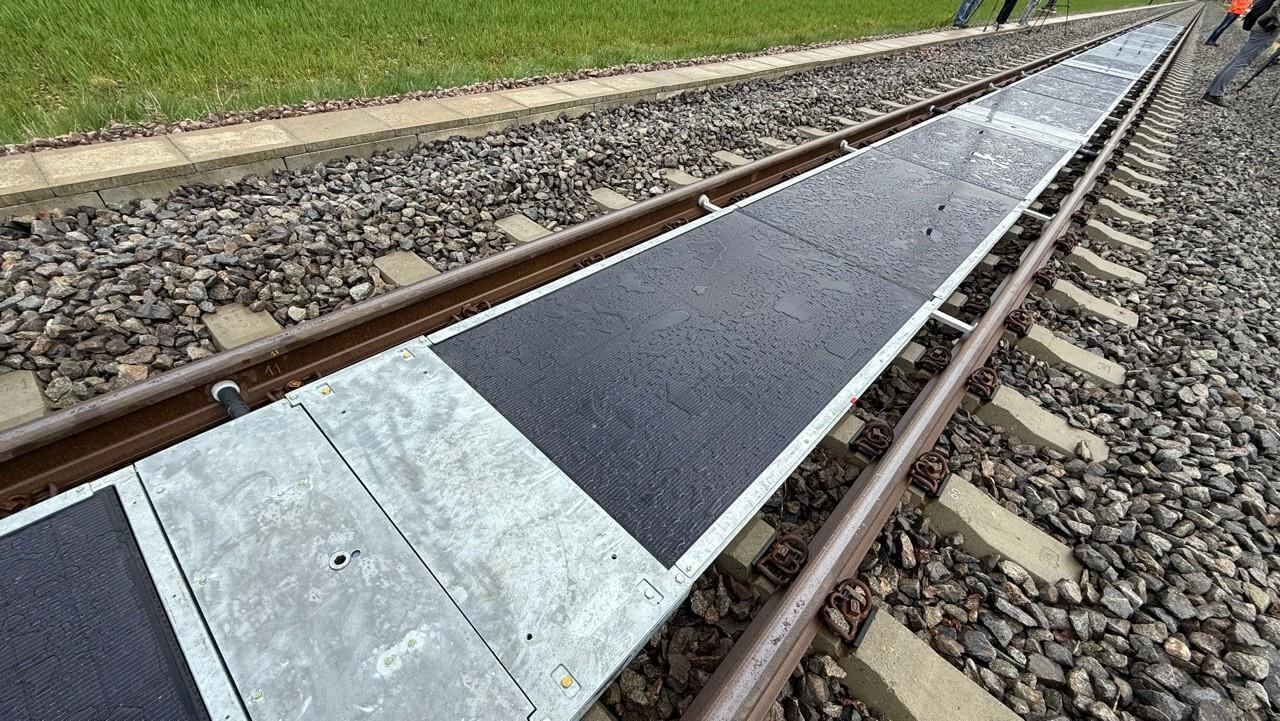
The integration of renewable energy sources into everyday infrastructure is taking a significant step forward with the installation of solar panels on railway tracks. This initiative aims to generate electricity during periods when trains are not in operation, marking a shift toward more sustainable energy practices. Alongside this, the development of a "mechanical parking lot for electric vehicles" is becoming a reality. These facilities will feature automatic charging systems and advanced fire suppression technology, making them both efficient and safe.
The government has taken an important step by temporarily lifting regulations that previously restricted these kinds of projects. This move allows for greater experimentation in the market, fostering innovation and the development of new technologies.
Regulatory Sandbox System Supports Technological Advancement
The Ministry of Trade, Industry and Energy recently convened the "3rd Industrial Convergence Regulatory Special Case Deliberation Committee" on the 25th. During this meeting, the committee reviewed and approved 40 regulatory sandbox tasks across various sectors, including AI (artificial intelligence), robotics, and energy. The regulatory sandbox system is designed to temporarily exempt certain regulations, enabling new technologies to be tested under controlled conditions—such as specific timeframes or locations. Once these technologies have been verified, they can be prioritized for market release.
One of the most notable approvals was the "electricity-generating railway" project. This initiative, known as the Korea Railway Solar Power Generation Project, involves laying carpet-type solar panels on railway tracks to produce and supply power. Before this approval, the lack of detailed standards for railway solar panels made it impossible to implement such a business model. Now, industrial machinery company DW Innovate and electric vehicle charging startup Geek Toy V will demonstrate a mechanical parking system that uses mobile apps to automatically move electric vehicles to charging spaces. This system also includes fire prevention facilities, addressing critical safety concerns.
Under current laws, mechanical parking lots have strict weight restrictions for entering vehicles, and there are no established safety standards for electric vehicle charging. These factors made it challenging to build such facilities for electric vehicles. However, with the recent regulatory changes, the development of these innovative parking solutions is now more feasible.
Expanding the Scope of Innovation
In addition to the solar panel and mechanical parking initiatives, the ministry also approved the demonstration of AI-equipped bipedal humanoid robots in industrial settings. These robots could revolutionize manufacturing and logistics by performing complex tasks that require human-like dexterity and decision-making. The use of synthetic data—generated from real driving footage—to train autonomous driving AI models is another significant development. This approach allows for the creation of diverse and realistic training scenarios without relying solely on real-world data collection.
These advancements highlight the growing importance of regulatory flexibility in supporting technological progress. By allowing companies to test new ideas under controlled conditions, the regulatory sandbox system helps bridge the gap between innovation and practical implementation.
Future Implications
As these projects move forward, they are expected to contribute to a more sustainable and technologically advanced society. The ability to generate electricity from railway tracks and provide automated charging solutions for electric vehicles represents a major shift in how we think about infrastructure and energy use. Moreover, the integration of AI and robotics into industrial environments could lead to increased efficiency and productivity.
With continued support from policymakers and the private sector, these innovations have the potential to reshape industries and improve quality of life for people around the world. The focus on testing and refining new technologies through regulatory sandboxes ensures that these developments are not only groundbreaking but also safe and effective.


Comments
Post a Comment