Time to End Windows 10?
Continued Use of Outdated Operating Systems Poses Significant Risks
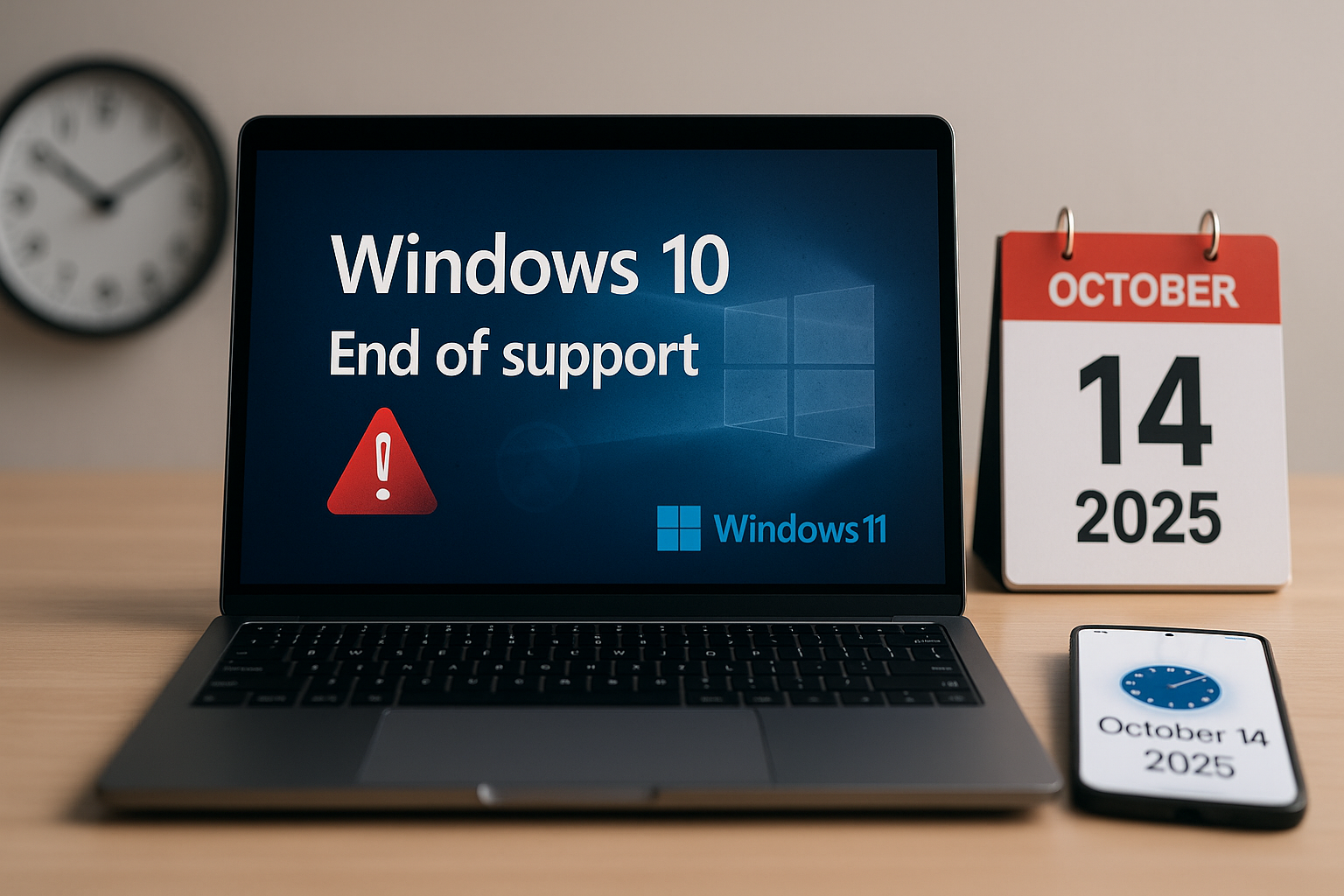
Despite Microsoft's announcement that support for Windows 10 will end in October, a significant portion of users continues to rely on the older operating system. According to a study by cybersecurity firm Kaspersky, over half of general PC users and nearly 60% of corporate users are still using Windows 10. This trend highlights a growing concern about cybersecurity and the potential risks associated with running outdated software.
Only 33% of users have upgraded to Windows 11, according to the research, which was based on anonymized OS metadata from consenting users of the Kaspersky Security Network. The continued use of older systems leaves them exposed to security vulnerabilities that may no longer be addressed by updates.
The Dangers of End-of-Life Operating Systems
When an operating system reaches its end-of-life, it no longer receives security patches or updates. This means that any unresolved vulnerabilities remain unaddressed, creating opportunities for cybercriminals to exploit them. As a result, users are strongly encouraged to update their operating systems to protect themselves against potential threats.
The findings also reveal that even with just a month left until the end of support, 53% of all users are still using Windows 10. In addition, 8.5% of devices continue to run on the outdated Windows 7 OS, which lost support in 2020. These figures underscore the widespread reliance on legacy systems despite the known risks.
Among corporate users, the situation is even more concerning. A staggering 59.5% of corporate devices are still running Windows 10, compared to 51% for small businesses. Moreover, the share of Windows 7 users in both categories exceeds 6%, indicating that many organizations are not keeping up with modern security standards.
Risks for Businesses Using Outdated Systems
Kaspersky experts warn that the use of outdated operating systems in corporate environments poses significant risks. Not only do these systems become more vulnerable to attacks, but they can also face compatibility issues with newer software and security tools. Such incompatibilities can disrupt business operations and lead to serious consequences.
Oleg Gorobets, a security expert at Kaspersky, emphasized that migrating to a newer OS is often seen as unnecessary or disruptive. However, he pointed out that from a cybersecurity perspective, an unpatched system is like a house with a weak fence that can be easily breached.
"For corporate IT and IT security departments, keeping business-critical software — starting with the OS — up to date is the priority task," he said.
Recommendations for Enhanced Security
To improve personal and business security, Kaspersky has provided several recommendations:
- Ensure you are using the latest version of the OS and verify that automatic updates are enabled.
- For general users and small businesses, consider using solutions with exploit-prevention technologies, which help reduce the risk of exploitation of unpatched vulnerabilities in obsolete systems.
- For corporate customers, implement a process for testing security updates before deploying them company-wide. This helps mitigate the risk of disruptions caused by faulty patches or incompatibilities.
By taking these steps, individuals and businesses can better protect themselves against the growing threats posed by outdated operating systems. As the digital landscape continues to evolve, staying updated is not just a convenience — it is a necessity for maintaining security and operational integrity.


Comments
Post a Comment