Tonmatpan Crafts Global Green PIR Panels Successfully
Introduction to a New Era in Sustainable Construction
Tonmatpan, a leading factory under the Tonmat Group, has made a significant breakthrough in the construction materials industry by successfully producing polyisocyanurate (PIR) panels using hydrofluoroolefin (HFO). This innovation represents a major step forward for Vietnam's construction sector, as it introduces a panel that is both environmentally friendly and user-safe while offering superior thermal insulation properties.
Key Features of HFO-Based PIR Panels
One of the most notable aspects of HFO is its low global warming potential (GWP) and zero ozone-depletion potential. These characteristics make it an ideal choice for sustainable construction. Additionally, HFO enhances safety during production and application, as it is non-flammable, non-toxic, and poses no health risks to workers or end-users.
The thermal conductivity (lambda) of conventional PIR panels typically ranges from 0.020 to 0.022 W/m·K. However, Tonmatpan’s HFO PIR panel achieves a remarkable thermal conductivity of 0.01837 W/m·K, which is among the lowest reported in Vietnam. This lower conductivity translates into better insulation, helping to reduce energy loss and operating costs for buildings.
Beyond Thermal Insulation: Additional Advantages
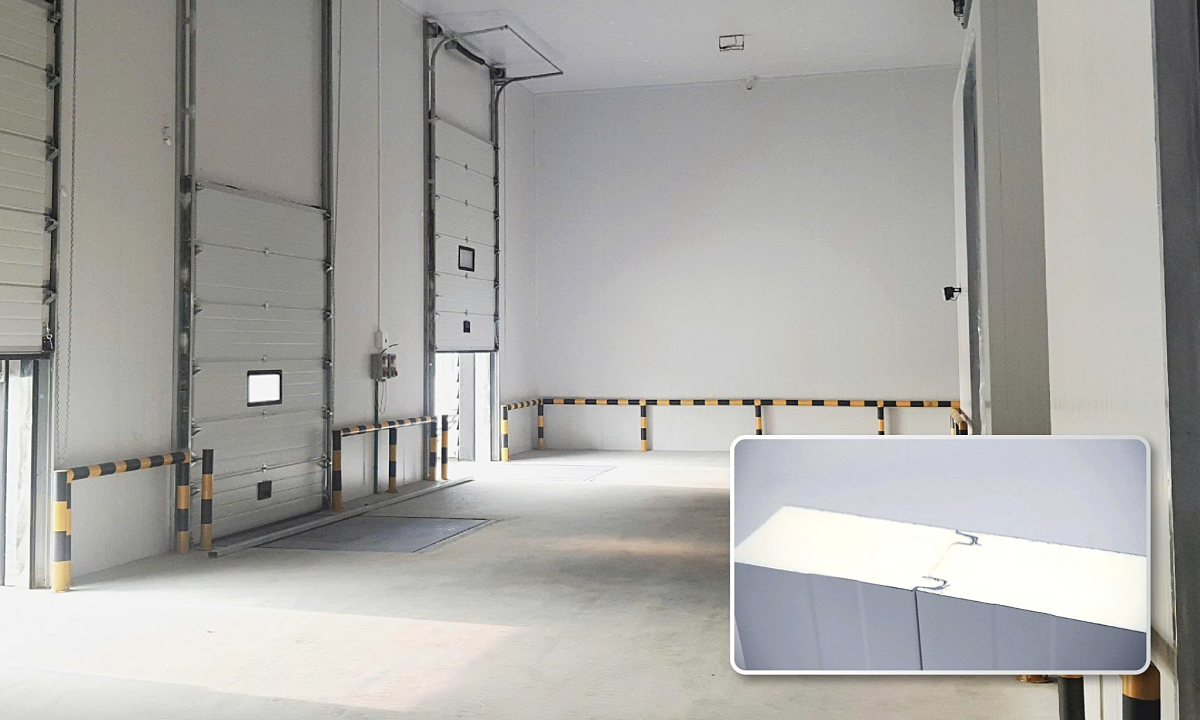
In addition to their exceptional thermal performance, HFO-based PIR panels offer high mechanical strength, fire resistance, moisture resistance, and a long service life even in harsh conditions. Their smooth, bright finish and strong visual appeal make them suitable for a wide range of applications, including industrial, civil, and commercial projects.
Global Trends and Local Demand
As countries around the world strive toward net-zero emissions, green building materials have become essential. Many developed markets enforce strict energy and environmental standards, requiring materials that are economical, safe, and eco-friendly. In Vietnam, the demand for such materials is growing rapidly due to urbanization and the expansion of industrial parks, logistics centers, commercial hubs, and high-end residences.
Sandwich panels, which include PIR panels, are increasingly seen as strategic building materials. They can reduce electricity consumption in operations by 20% to 40% due to their very low heat transfer coefficients (U-values). This reduction in energy use indirectly lowers CO2 emissions by decreasing the need for cooling and preservation systems. Additionally, these panels enable faster assembly and installation, about 40% to 60% quicker than traditional materials, reducing construction time, labor, and long-term operating costs.
Applications and Strategic Importance
Tonmatpan’s HFO-based PIR panels are positioned as a solution to energy and environmental challenges in modern construction. They are particularly well-suited for cold storage and food-preservation warehouses, where stable temperatures and lower electricity use are critical. They also provide safe operation and reduced energy costs for processing and manufacturing plants, large-scale efficiency for factories and logistics centers, and energy savings and aesthetics for civil and commercial buildings such as supermarkets, offices, and green projects.
Industry Expertise and Future Goals
Tran Trung Kien, deputy director of Tonmatpan's International Trade Department, emphasized that the company has mastered the use of green, safe, and environmentally friendly inputs like HFO, enabling the successful production of PIR panels with one of the best thermal insulation indexes in Vietnam. He added that this achievement serves as an important foundation for becoming the top choice for foreign direct investment (FDI) projects in Vietnam and opens up opportunities to enter markets with strict standards for green materials, such as the EU, Japan, and the U.S.
Ha Van Lung, head of production at Tonmatpan, highlighted that this development is a strategic move toward creating modern, energy-saving, and environmentally friendly buildings. He stated that this success not only affirms the company's research and technological innovation capabilities but also contributes to enhancing Vietnam's thermal insulation materials industry.
Looking Ahead
Moving forward, Tonmatpan plans to continue investing in modern technology, improving product quality, advancing green production, and reducing emissions. The company aims to meet domestic demand while becoming a pioneering brand that brings "Made in Vietnam" green insulation products to international markets, targeting regions with strict standards such as the EU, Japan, and the U.S.
This initiative will not only affirm the position of Vietnamese enterprises on the global construction materials map but also contribute to spreading the value of sustainable development for the community and society.


Comments
Post a Comment