Tractors in Short Supply: Threat to Nigeria's Food Security
Addressing Nigeria’s Tractor Shortage: A Call for Collaboration and Investment
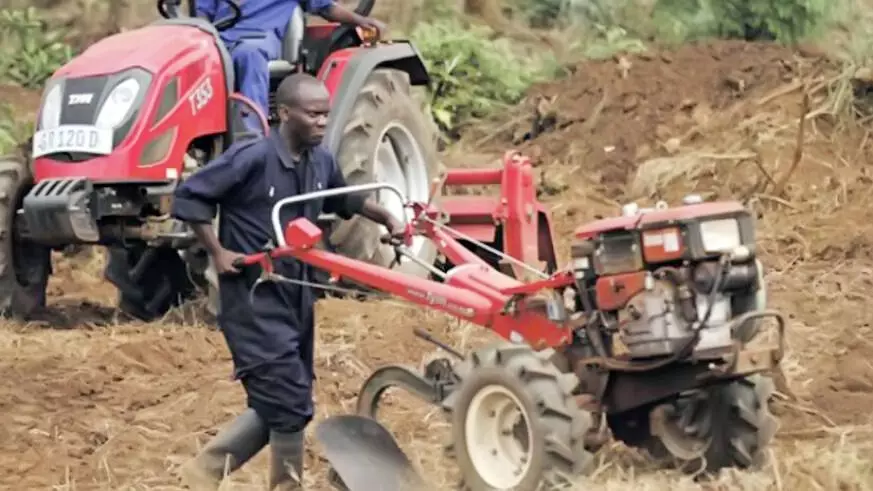
Nigeria is facing a critical challenge in its agricultural sector, with a severe shortage of tractors that threatens the country's food security. Stakeholders have raised alarms about the low level of mechanization, emphasizing the urgent need for action to improve productivity and ensure sustainable farming practices.
At the State of Mechanization Ecosystem in Nigeria stakeholder forum held in Abuja, Godwin Ohuruogu, CEO of TracTrac Mechanization, highlighted the gravity of the situation. He pointed out that Nigeria currently has only six tractors for every 10,000 hectares of land, which is far below what farmers require. Ohuruogu emphasized that the country must aim for up to 20 tractors per hectare within the next three to four years to make a meaningful impact on mechanization levels.
The Need for Significant Investment
Ohuruogu stressed that achieving this goal would require substantial investment. He estimated that adding around 250,000 tractors into the ecosystem would be essential, regardless of whether each tractor costs 50 million or 55 million. This investment, he argued, should not fall solely on the government but must involve a broader range of stakeholders, including investors, banks, and private entities.
“Can investors come to the table? Can banks come to the table? Can private entities come to the table?” he asked. “Let’s talk about how we can contribute our quota to moving the current tractor density to something more reasonable so that every farmer in Nigeria can boast of having access to a tractor that is not very far away from them.”
Overcoming Knowledge Gaps
Another major obstacle identified by Ohuruogu is the lack of information among potential investors. Many are hesitant to invest in mechanization due to a lack of understanding of the sector. He noted that investors often prefer areas they perceive as easier to navigate, making mechanization seem like a complex and risky field.
To address this, TracTrac aims to provide comprehensive information to interested parties, enabling them to make informed investment decisions. Ohuruogu also called on the government to create an environment conducive to investment, making it easier for businesses to operate and encouraging farmers to support local vendors offering tractor services.
Strategic Plans for the Future
Looking ahead, Ohuruogu outlined a long-term strategic plan for TracTrac, focusing on raising interest in mechanization investments and continuing discussions on policy development. He emphasized the importance of collaboration between the government, private sectors, NGOs, and other stakeholders to achieve the goal of deploying 250,000 tractors and training 500,000 mechanization service providers over the next five years.
The Role of Data and Infrastructure
Abdulrasheed Kamal, CEO of the National Centre for Agricultural Mechanization, underscored the importance of data in shaping Nigeria’s mechanization drive. He stated that accurate and updated statistics are crucial for guiding national policy and investment decisions. Kamal highlighted several barriers within the mechanization ecosystem, including limited access to modern equipment, inadequate infrastructure, and insufficient technical expertise.
He also pointed out that the absence of a domestic machinery industry is a significant weakness. Without local manufacturing, Nigeria relies heavily on imported machinery, leading to high costs, foreign exchange pressure, and inflated prices. Additionally, the lack of spare parts and poor maintenance culture results in chronic downtime and abandoned equipment.
Challenges and Opportunities
Despite these challenges, there are opportunities for improvement. Kamal suggested that increasing investment in research and development, expanding training programs, and enhancing accessibility to machinery could foster growth and innovation in the sector. He also noted that smallholder farmers face numerous challenges, including limited access to finance, technology, and technical capacity.
Recent efforts by the Nigerian government, such as the partnership with Belarus to import agricultural equipment, represent steps toward modernizing farming. However, stakeholders argue that these efforts are not yet sufficient to close the mechanization gap. Reports indicate that large-scale delivery and distribution of tractors are still pending, highlighting the need for accelerated action.
In conclusion, addressing Nigeria’s tractor shortage requires a coordinated effort involving all stakeholders. From increased investment and improved knowledge sharing to the development of a domestic machinery industry, the path forward demands collective action and commitment to ensure a more productive and secure agricultural future.
Comments
Post a Comment