US Air Force launches F-47 6th-gen fighter jet production
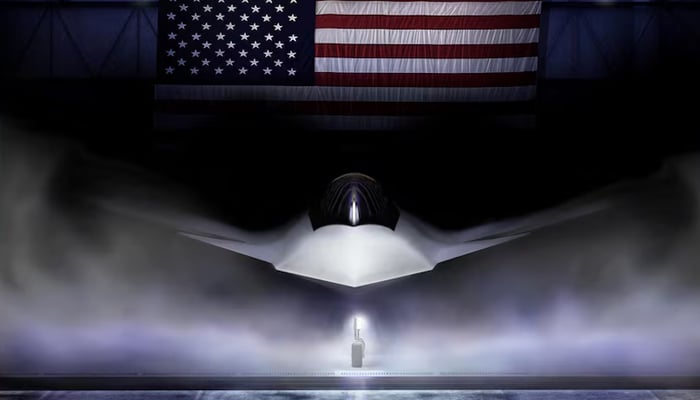
Introduction to the F-47: A New Era in Fighter Jet Technology
The United States has officially begun the production of its sixth-generation fighter jet, the F-47. This significant development was announced by the US Air Force chief, marking a major milestone in the country's military aviation advancements. The first flight of the F-47 is expected to take place by 2028. This announcement comes shortly after China displayed new military hardware during a recent parade, highlighting the growing competition in global defense technology.
Background and Development of the F-47
The F-47 is part of the Next Generation Air Dominance (NGAD) program, which aims to replace the current F-22 fighter jets. During the Air, Space, and Cyber Conference in Washington, General David Allen confirmed that Boeing has started constructing the first unit of the F-47. He emphasized the team’s goal of having the jet airborne by 2028. The project has been the result of years of research, hundreds of test hours, and thousands of work hours. Production began just months after the official announcement, showcasing the urgency and importance of the initiative.
Historical Context and Key Milestones
In March 2025, former President Donald Trump assigned Boeing the task of developing the F-47. Experimental models have been secretly flown for five years, with the first test flight reportedly occurring in 2019. The US Air Force expects the jet to be airborne before January 2029, which is before the end of the current presidential term. This timeline underscores the strategic importance of the project and the need for rapid deployment.
Technological Advancements of the F-47
Experts predict that the F-47 will feature super-sonic speed, advanced stealth technology, AI-powered weapons, and drone coordination. These capabilities will allow the jet to challenge enemy air power effectively. Additionally, the F-47 will connect with other platforms through network-centric warfare, enhancing overall combat effectiveness. The project is seen as a strategic response to China's recent military advancements, emphasizing the need for continued innovation in defense technology.
Financial Commitment and Future Plans
The US Air Force has already approved funding for the F-47 production and plans to invest more in the next fiscal year. Analysts view this step as crucial in the race for air dominance in the region. It demonstrates the US's commitment to maintaining its technological edge and ensuring national security. The investment reflects a long-term strategy to stay ahead in the evolving landscape of global military technology.
Strategic Implications and Global Competition
The development of the F-47 highlights the ongoing competition between the United States and other global powers, particularly China. As nations continue to invest in advanced military technology, the focus on air dominance becomes increasingly critical. The F-47 represents not only a technological leap but also a strategic move to secure a position of strength in the international arena. With its cutting-edge features and capabilities, the F-47 is poised to redefine the future of aerial combat and ensure the US remains a leader in military aviation.


Comments
Post a Comment