Why Europe Fails to Counter Drone Threats
Rising Concerns Over Drone Incursions in European Airspace
A series of drone incursions into protected airspace across Europe has sparked significant concern, particularly for airports that are now facing new security challenges. These incidents have highlighted the vulnerabilities of the continent's defense systems and raised questions about how to effectively prevent such threats.
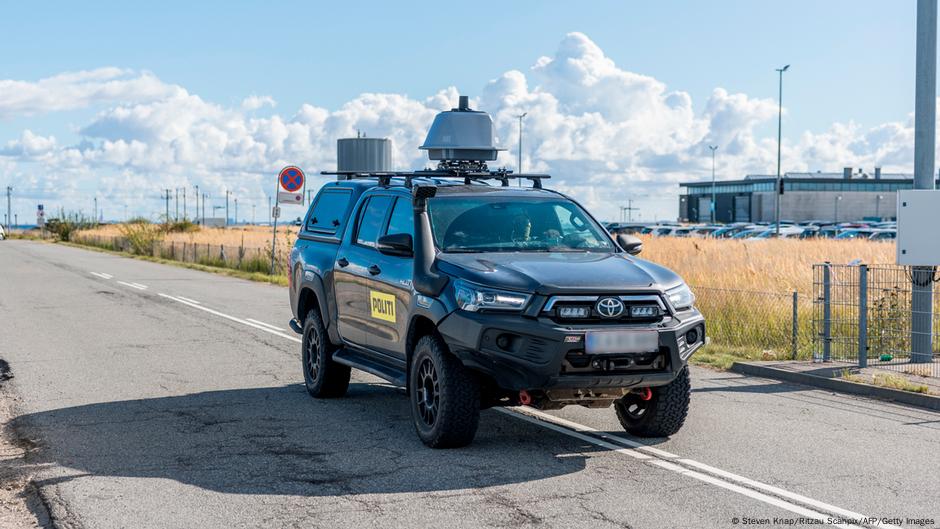
One of the most recent examples occurred at Aalborg Airport in northern Denmark, where the airspace was closed due to the presence of drones. This incident is part of a growing trend, with similar reports from Esbjerg, Sonderborg, and Skrydstrup airports. The latter two are also used by the Royal Danish Air Force. Earlier this week, flights at Copenhagen Airport were temporarily suspended after drone sightings.
Danish Defense Minister Troels Lund Poulsen described the situation as a "hybrid attack," indicating that the events were likely orchestrated by a professional actor rather than a random occurrence. Justice Minister Peter Hummelgaard added that no possibilities are being ruled out regarding who might be responsible for these incidents.
Although there is no confirmed link to Russia, recent drone incursions in Eastern Europe have prompted NATO to take action. In response to Russian drones entering Polish airspace in early September, NATO launched a new operation called "Eastern Sentry" to protect its eastern flank.
Challenges in Preventing Drone Incursions
Airports face unique challenges when it comes to preventing drone incursions. Unlike military or dual-use air bases, commercial airports often lack the necessary tools and resources to detect and neutralize drones effectively. According to Richard Gill, founder and CEO of Drone Defence, the technology has become more accessible and affordable, making it easier for individuals to operate drones with advanced capabilities.
This accessibility poses a real threat to airport operations. As Jukka Savolainen from The European Center of Excellence for Countering Hybrid Threats explained, even minor drone incursions can lead to significant disruptions. “No risk to aviation security is tolerated,” he said, emphasizing the need for strict measures to ensure safety.
Why Can't Airports Shoot Down Drones?
While shooting down drones is a common practice in warfare, the situation is different in civilian airports. It is often difficult to determine whether a drone is military or recreational before it flies out of sight. Even if identification is possible, there are significant safety concerns associated with using kinetic projectiles in densely populated areas.
Savolainen noted that hitting a drone with traditional projectiles is challenging, and the risk of collateral damage is high. Additionally, the cost of shooting down a drone is considerable, making it an impractical solution for airports. Gill further pointed out that legislation has not kept pace with the rapid development of drone technology, leaving airports vulnerable to potential threats.
Alternative Defense Strategies
In addition to shooting down drones, airports are exploring other methods to defend against unauthorized drone activity. These include identifying drones through radio frequency, video transmissions, radar, and security cameras. However, stopping a drone once it has been identified remains a challenge.
Suspension of airport activities is often the first response when drones are spotted in unauthorized areas. While this measure is extreme, it is considered necessary to ensure the safety of passengers and staff. There are also increasing numbers of products aimed at stopping drones, both for commercial and military use. However, upgrading airport defense systems is a costly endeavor and requires constant updates.
Ryanair CEO Michael O'Leary has suggested that governments should bear the cost of addressing this issue, which he describes as an "irritant." He emphasized that it is a security issue for national governments, not something that should be left to airports to handle.
EU's Response to Drone Threats
The European Union is taking steps to address the growing threat of drone incursions. European Commission President Ursula von der Leyen has called for the creation of a "drone wall" to curb the threat of further incursions into sovereign airspace. Dubbed "Eastern Flank Watch," this initiative involves cooperation between Poland, Finland, Estonia, Latvia, and Lithuania to strengthen defenses on the EU's eastern borders.
The project aims to use measures similar to those employed by airports but may also include the ability to take down threatening drones. While details are limited, the initiative is expected to be more cost-effective than current air defense systems, which were designed for traditional manned aircraft and missiles.
"This is not an abstract ambition," von der Leyen stated. "It is the bedrock of credible defense."


Comments
Post a Comment