Will I Be Fined Without a National ID Card? And What If I Don't Have a Smartphone?
The Proposed Digital Identity Card Scheme in the UK
A new digital identity card initiative, potentially mandatory for all adults in Britain, has been rumored to be announced by the Prime Minister. Dubbed the 'BritCard,' this scheme aims to verify an individual's right to work and access public services. Unlike traditional physical cards, it is likely to be a smartphone application. This approach would leverage existing technologies such as facial recognition and biometric data like fingerprints.
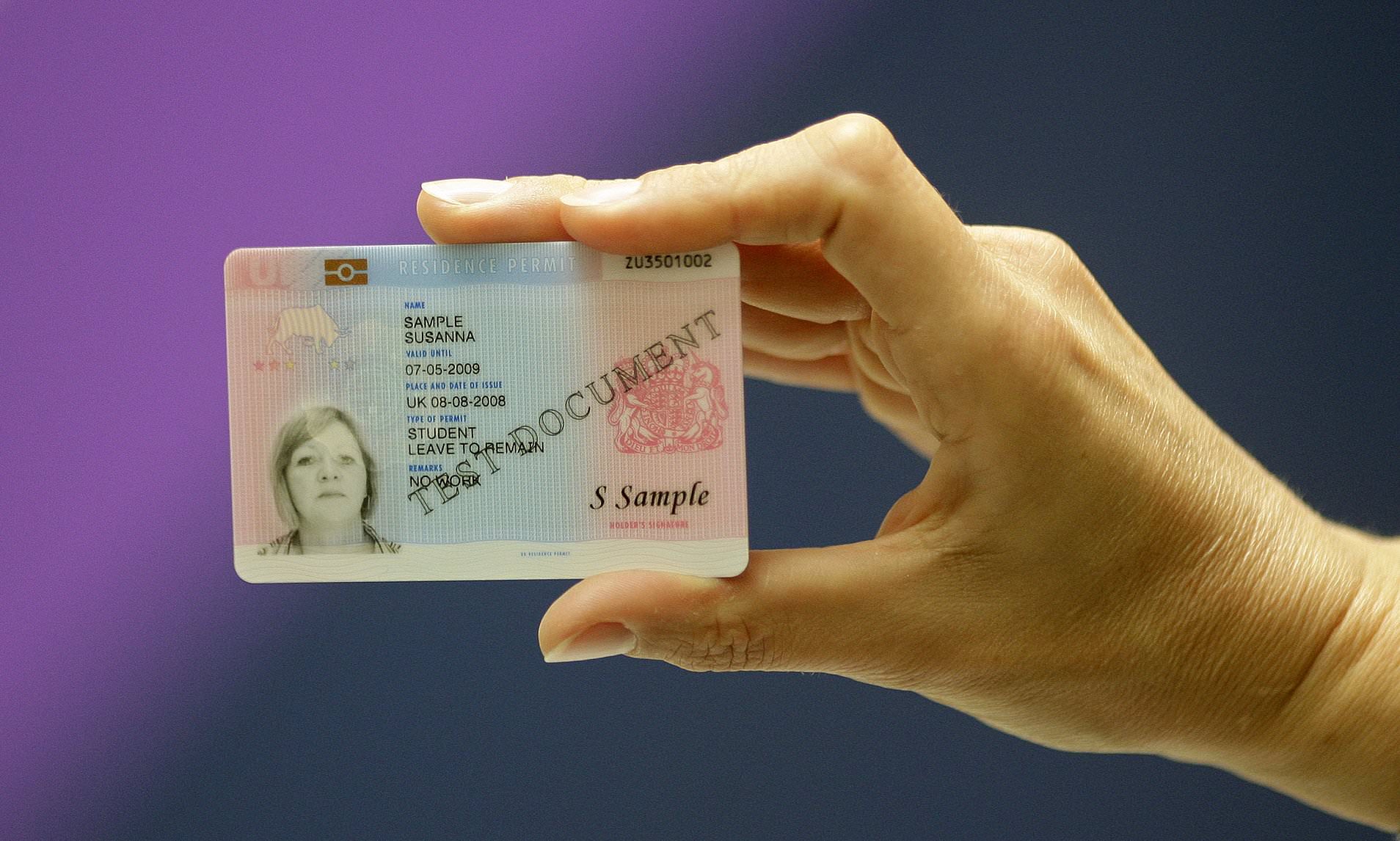
The concept of a national ID card is not entirely new. In 2006, under Tony Blair's Labour government, legislation was passed for a national ID card scheme. Although the idea of making the cards compulsory was eventually abandoned, the scheme did go into operation in 2009 with credit card-style cards equipped with microchips. However, after the 2010 general election, the project was scrapped by then Home Secretary Theresa May. By that time, £257 million had already been spent on the initiative.
One of the main concerns surrounding any new digital ID system is its susceptibility to forgery. While a digital ID could theoretically be harder to counterfeit than a traditional document, the success of the system would depend on the rigor of the verification checks. A live cross-referencing with a central database would make fraud significantly more challenging. However, less stringent checks might still leave room for manipulation.
Currently, it is unclear whether the Labour government will impose fines for refusing to have a national ID card. Previous attempts at compulsory schemes did not include penalties for non-registration, primarily because the roll-out never reached that stage. However, there were provisions for fines related to updating personal information or failing to surrender a card. The exact approach for handling those who refuse the new scheme remains uncertain.
The primary objective of the BritCard is to verify an individual’s identity and their legal right to reside in the UK. This initiative is intended to tackle illegal working, which could reduce the appeal of Britain to small boat migrants and other undocumented immigrants. Additionally, it would complicate the situation for foreigners who legally enter the country but remain and continue to work without proper documentation.
Beyond employment, the card could also be used to prove eligibility for housing under the 'right to rent' policy. However, the scheme could become highly controversial if it affects access to healthcare and social security. In the past, similar proposals faced opposition from medical professionals who argued that denying life-saving treatment based on nationality would be unethical.
The issue of accessibility is another concern. If the system relies solely on smartphones, it may exclude a significant portion of the population, particularly the elderly. To address this, alternative methods such as using laptops or desktop computers could be considered to ensure inclusivity.
The financial implications of the project are substantial. Developing the necessary IT systems from scratch, along with setting up a network of centers for biometric data collection, could cost billions of pounds. Given the history of government IT projects, which often face delays and budget overruns, this initiative carries a high risk of failure.
Civil liberties and data security are also major points of contention. Critics argue that such a system could lead to increased surveillance and privacy violations. Pressure groups like Big Brother Watch have raised alarms about the potential for a "dystopian nightmare." Furthermore, the UK has experienced numerous data breaches, raising concerns about the safety of a centralized database containing sensitive personal information.
Several countries, including Estonia, Spain, Portugal, Germany, India, the UAE, and France, already use digital ID systems. France has suggested that the absence of ID cards in the UK contributes to the influx of Channel migrants. However, some critics, like Shadow Justice Secretary Robert Jenrick, argue that such measures would not significantly impact illegal migration.
As the debate continues, the question remains: Will the proposed digital ID cards help streamline the immigration system, or will they lead to a dystopian future? The outcome of this initiative will depend on how effectively it is implemented and the extent to which it addresses the concerns of the public.


Comments
Post a Comment